Issues
Animal
Cruelty
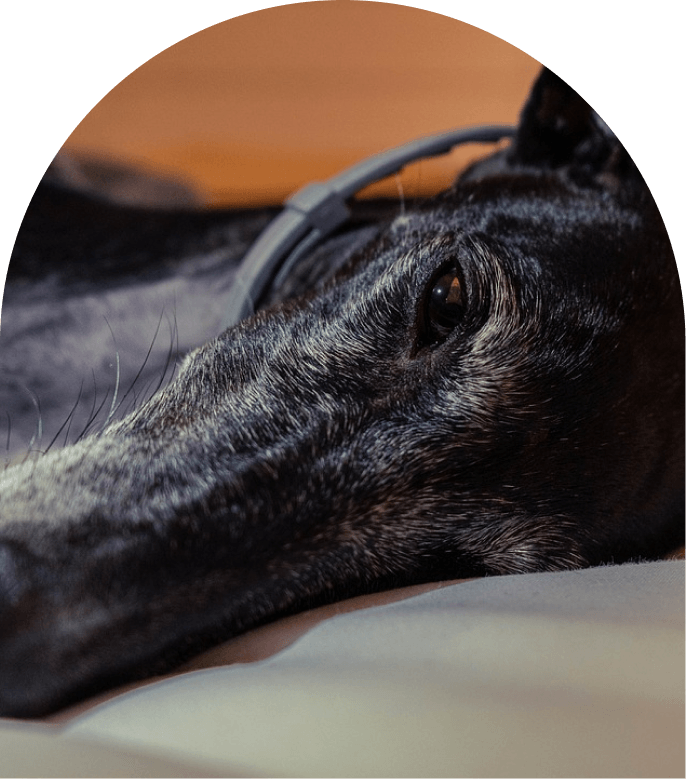
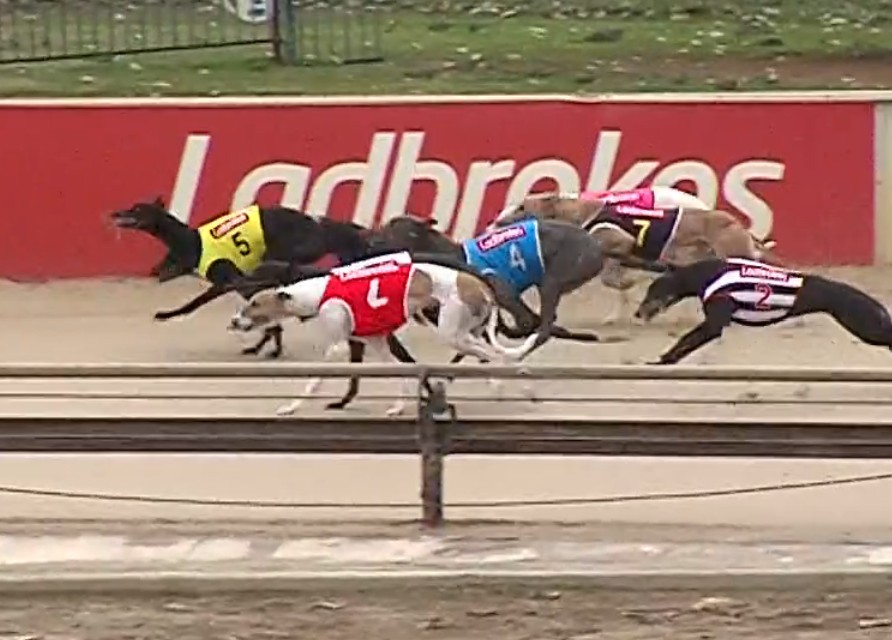
Greyhound suffering, abuse and neglect in the racing industry is widespread and systemic.
About Animal Cruelty
Social Deprivation
The importance of socialisation to the physical and mental health of dogs is undeniable. This includes being introduced to different environments, experiences, people and other animals.
Many greyhound puppies are not given these opportunities, only experiencing where they were born and training facilities.
While fewer dogs are now being killed during their time in the industry, many of the dogs which are emerging have significant fear-based behavioural issues. These dogs require investment of considerable time and money to rehabilitate them for life as a pet.
This has a serious financial and emotional impact on volunteer rehoming groups who are already overrun with dogs with hundreds more on waiting lists.
Regulations making it harder to euthanise dogs have also meant owners and trainers are putting increasing pressure on groups to take more dogs.
Neglect and Abuse
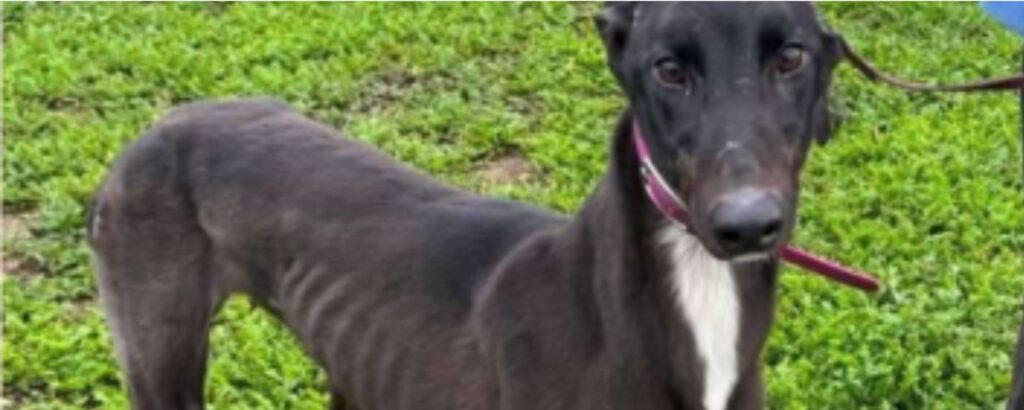
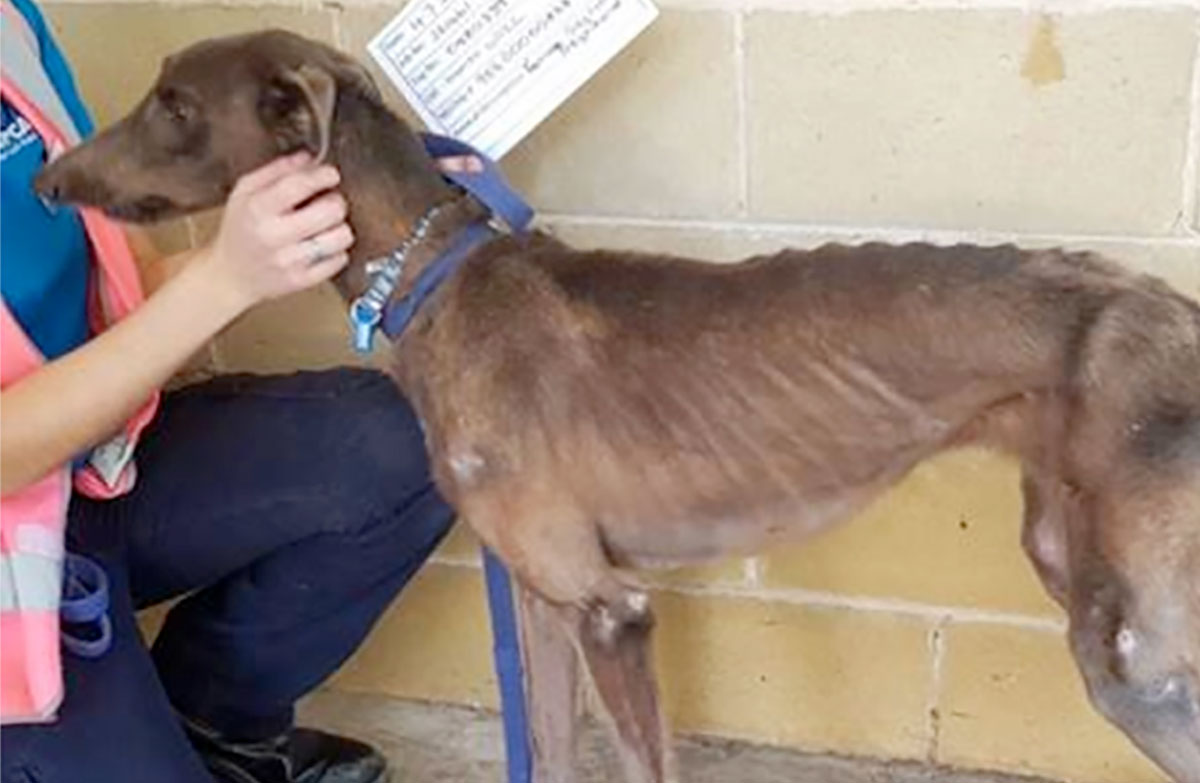
A national survey conducted by CPG showed that greyhounds are still leaving the racing industry in a neglected and stressed condition. This highlights that rather than being part of the family, many racing greyhounds do not receive the most basic care, physically or mentally.
18 community-run rehoming charities were surveyed regarding the condition of dogs at the time of surrender from owners and trainers. The survey found that the health of the dogs is mostly poor.
89% of those surveyed said that the dogs that they took into their care came with pre-existing conditions that required veterinary care, including bad teeth and really poor diets.
Some were also unable to walk up or down stairs, had untreated wounds from track racing and weren’t socialised for rehoming.
Charities say the health of dogs arriving at their door is mostly poor, yet state greyhound racing welfare codes require the exact opposite. The racing industry doesn’t enforce these rules or penalise owners for failing to socialise dogs in preparation for rehoming.
While the community rescues are “no-kill”, the industry rehomers will euthanase those dogs whose owners have failed to socialise them for a life post-racing.
Doping and Drugging
Greyhound racing has a history of widespread doping and drugging with various substances to enhance performance, mask injuries, or manipulate race outcomes.
A 2018 Sydney Morning Herald article reported that greyhounds test positive for drugs 10 times more than thoroughbred race horses.
Doping can have devastating immediate and long-term health impacts on greyhounds and the weak penalties have failed to halt the practice of drugging greyhounds.
Live Baiting
On February 16, 2015, the Australian Broadcasting Corporation television program Four Corners aired an episode called “Making a Killing”, which reported the results of an undercover investigation, complete with covert surveillance video, that revealed the existence of widespread live-baiting in the training of racing greyhounds. Its existence had been denied by industry participants and regulators alike for years, but now it was clear that the cheating and cruelty depicted in the program had permeated the Australian industry right to the top levels of well-respected and successful veteran trainers, some of them “hall of famers” and multiple honourees.
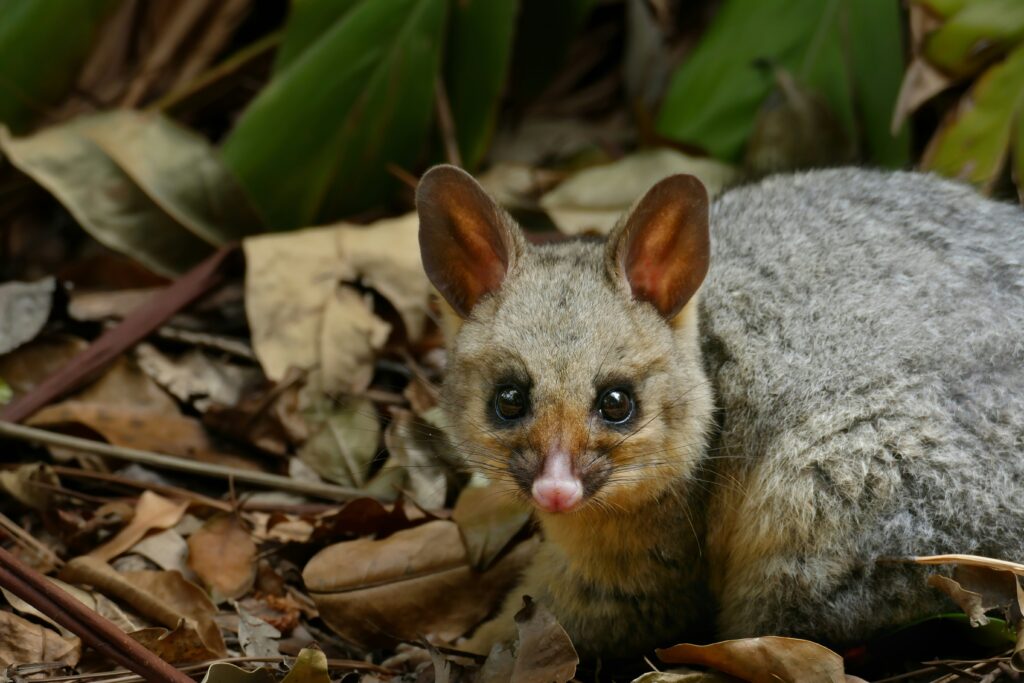
What was also clear was that the torture of rabbits, possums, kittens, piglets, and other small mammals used as training “bait” had been going on for many years, while hundreds of people in and around the industry had been aware of it and had helped to keep it secret.
Live baiting is now illegal but still occurs with 7NEWS reporting on accusations of live baiting against a NSW greyhound trainer in February 2026.
Greyhound Exports
Despite years of effort by the racing industry itself, the federal government still allows greyhounds and greyhound semen to be exported to destinations with gruesome or below par animal welfare.
The Australian greyhound export trade has a long and bloody history. For many years, Australia was the biggest exporter of greyhounds with many going to countries with little or no animal welfare protection. It has always been a practice condemned by the RSPCA.
While the numbers of greyhounds in the racing industry now leaving this country are lower, successive Federal Governments have failed to:
- close the loophole that still allows greyhounds to be shipped without a greyhound passport
- ban greyhound exports,
- check whether our greyhounds are being shipped on to countries with a history of animal cruelty via midway points like the UK and New Zealand.
Over the past three years the overseas greyhound rehoming programs in NSW and Victoria have once again raised concerns about the export of Australian greyhounds.
Learn More About Animal Cruelty