
Blood money
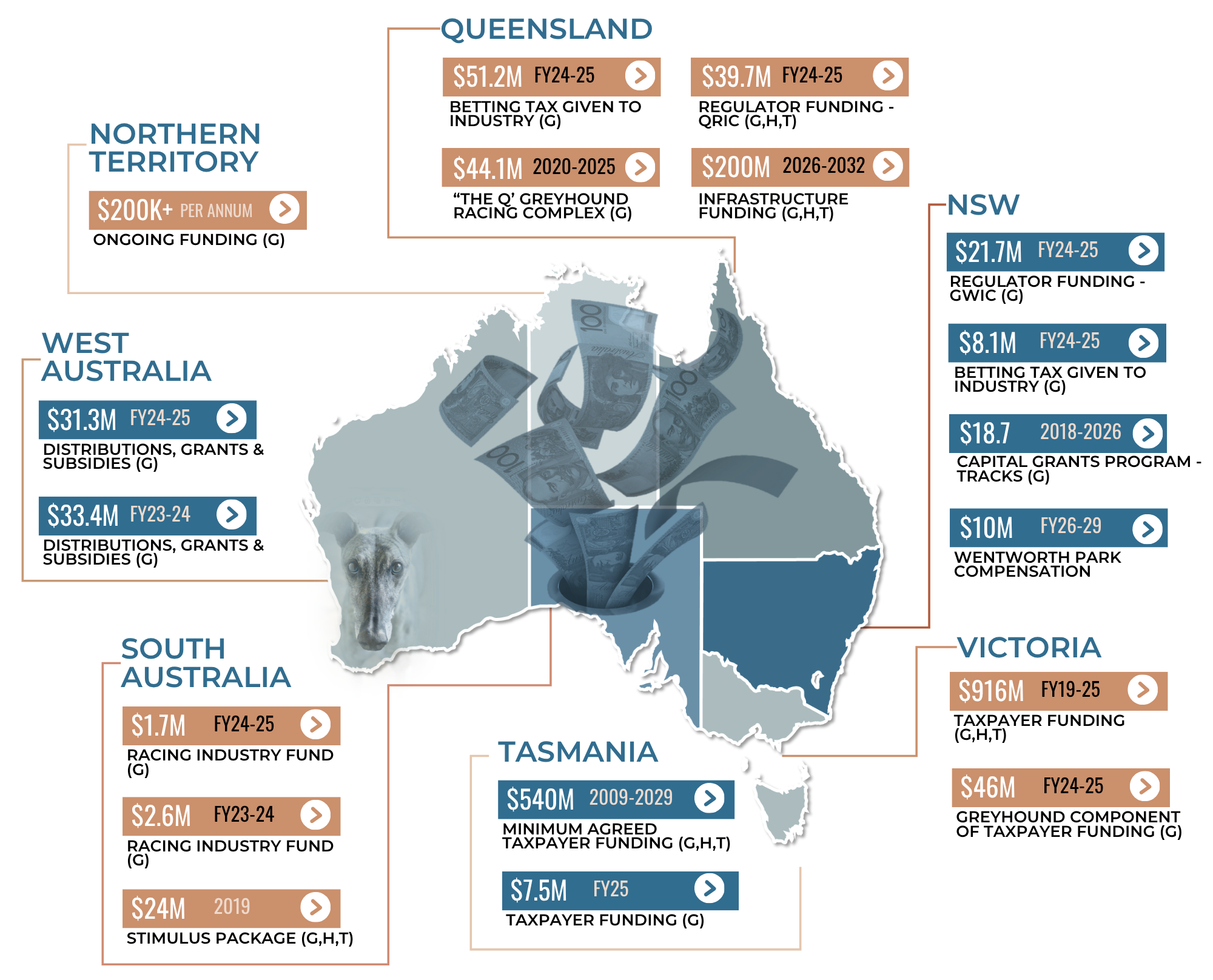
Click on dollar amount for more information on how state governments pour millions of taxpayer dollars into keeping the brutal greyhound racing industry afloat. Where government funding is shared across racing codes, this is indicated in brackets: Greyhound (G), Harness (H) and Thoroughbred (T).
A taxpayer funded industry
In FY25, $298.16 million of taxpayer money was given to Racing Queensland. $243.72 million of the taxpayer funding was raised via a point of consumption tax (POCT) with $51.18 million given to greyhound racing. The POCT is a tax on Queenslanders’ betting losses.
Effective 1 December 2022, the Queensland government announced an increase in the POCT from 15% to 20% with 80% of POCT raised given to Racing Queensland. This is money that could and should be used to support areas that are of critical importance to most Queenslanders: healthcare, education, infrastructure. But the taxpayer handouts continue.
In December 2022, then Queensland Racing Minister Grace Grace said the funding model has allowed Racing Queensland to bolster prize money, and that she was pleased to announce there will be a $31 million increase in prize money across all codes next year. The announcement goes onto list the specific prize money increases, there is no mention of animal welfare.
Effective 1 December 2022, the Queensland government announced an increase in the POCT from 15% to 20% with 80% of POCT raised given to Racing Queensland. This is money that could and should be used to support areas that are of critical importance to most Queenslanders: healthcare, education, infrastructure. But the taxpayer handouts continue.
In December 2022, then Queensland Racing Minister Grace Grace said the funding model has allowed Racing Queensland to bolster prize money, and that she was pleased to announce there will be a $31 million increase in prize money across all codes next year. The announcement goes onto list the specific prize money increases, there is no mention of animal welfare.
The ‘Q’
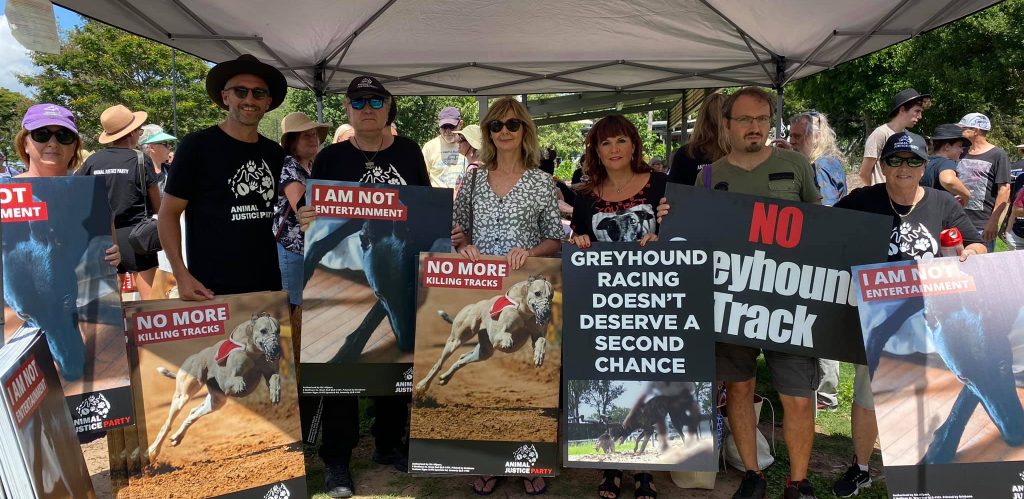
In October 2019, the Queensland Government announced its support for a new greyhound racing complex at Ipswich, The Q. They also announced that The ‘Q’ would be funded with $40 million of taxpayer money.
There has been widespread community opposition to, the complex including a petition which gathered 73,000 signatures. In November 2023, industry media reported that the cost of The Q had blown out to $60 million. In December 2024, this was revised upwards to $89 million with $44.15m being provided by Queensland taxpayers.
Also in December 2024, the newly created “Queensland Greyhound Racing Club” voted to allow installation of poker machines at The Q. This means the new complex will exploit the most vulnerable in the community as well as sacrificing more greyhounds to the gambling industry.
Racing Future Fund
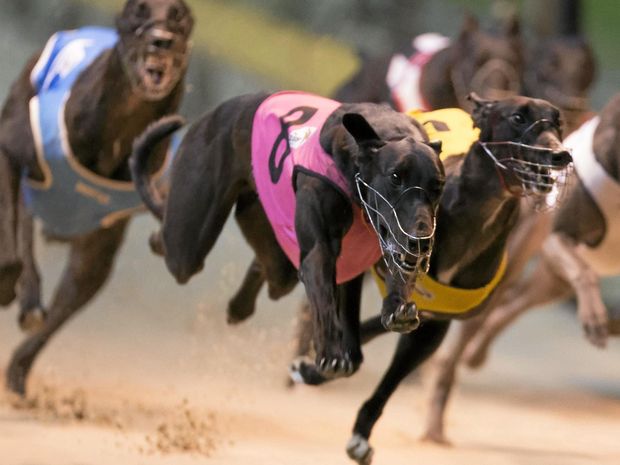
In December 2025, the Queensland Government announced a $200 million taxpayer-funded “Racing Future Fund”.
The government continues to subsidise the unsustainable racing industry at a time when it is struggling to find money for education, healthcare, housing or infrastructure.
Regulator funding
In April 2015, the Queensland Government announced a Commission of Inquiry into the regulation of the Queensland greyhound racing industry following the discovery of incidents of live baiting. A primary recommendation was the separation of the commercial and integrity aspects of the industry.
As a result, the taxpayer-funded Queensland Racing Integrity Commission (QRIC) was established in June 2016. While QRIC is an independent body responsible for animal welfare, it states that it “exists to contribute to the ongoing success of the racing industry in Queensland”. This highlights the conflict of interests that still exists.
In FY24, QRIC received total grant funding of $39.72 million comprising:
• Operating grant of $39.2 million
• Capital grant of $524,000 to support its investment in core laboratory equipment and technology at the Racing Science Centre (RSC).
The operating grant provided to QRIC increased by 22 percent over FY24. The increase is principally due to additional grant funding being provided to QRIC for racing integrity services.
NSW Regulator funding
The Greyhound Industry Reform Panel recommended the establishment of an independent greyhound racing regulator to try and reduce the systematic animal cruelty and mass killing exposed in 2015.
The NSW Greyhound Welfare and Integrity Commission was established in 2018. Initially, GWIC was funded by Greyhound Racing NSW but in June 2021, the NSW racing minister Kevin Anderson announced $25 million for a new taxpayer funded model. According to the minister this would free up millions of dollars which can be reinvested in facilities and prizemoney.
In FY24/25 the NSW Government provided funding of $21.7 million to GWIC made up of:
$12.154 million – POCT from GRNSW
$9.5 million – Annual Operating Grant from the Department of Creative Industries, Tourism, Hospitality and Sport (DCITHS).
Deadly tracks
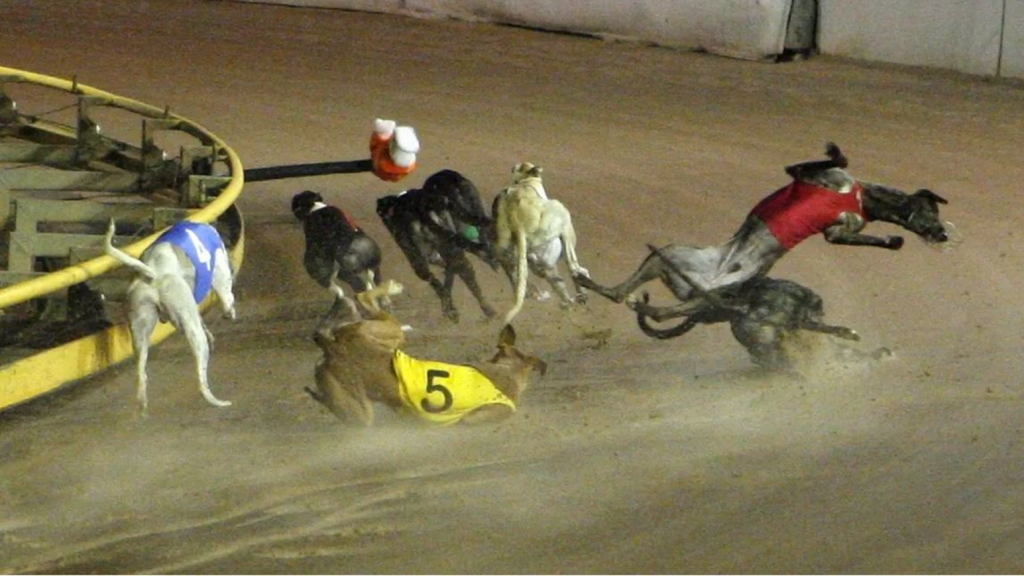
In June 2017, the NSW Government announced a five-year $30m taxpayer funded Racing Capital Grants Program designed to bring all greyhound racing tracks up to minimum standards.
According to the Office of Racing, as at January 2025, the NSW Government has funded projects under the Racing Capital Grants Program at a total cost of $18.7m. This leaves a balance of $11.3m of taxpayer money which was to have been used to bring racing tracks up to minimum standards by 30 June 2023.
In 2024, the Drake Inquiry was established to look into a number of complaints around Greyhound Racing NSW including animal welfare and track safety. The Inquiry found that as of late 2025, not a single track in the state was compliant with the Minimum Track Standards (MTS) introduced in 2020.
In 2026, the NSW Racing Minister David Harris stated: “It has taken Greyhound Racing NSW seven years to spend the $18 million. I was particularly critical that they were taking too long to spend the additional. I’ve had to go back and argue twice that they be allowed to keep the money that was allocated, or that the Government keep the fund that they’re drawing on, because they hadn’t spent it. Treasury rightly asked, “If they’re not spending the money, why is it there?””
Wentworth Park compensation
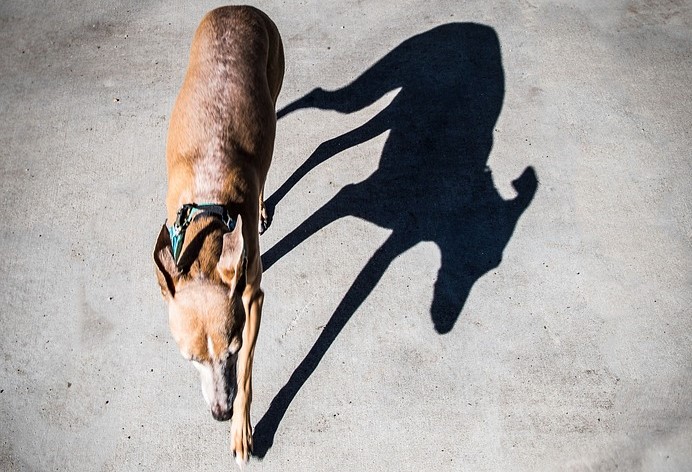
Greyhound racing will cease at Sydney’s Wentworth Park when the existing lease expires in September 2027. The racing facilities will be demolished and the Crown land will be transferred to the City of Sydney.
The closure was driven by the need for green space and additional housing and follows years of pressure from animal welfare advocates regarding the high number of injuries and deaths at the track.
The NSW Government offered GRNSW $10 million as compensation for the closure of the track to be used as part of the Capital Grants Program. However, even though GRNSW only rents the venue, they have rejected the government offer.
Tax given to industry
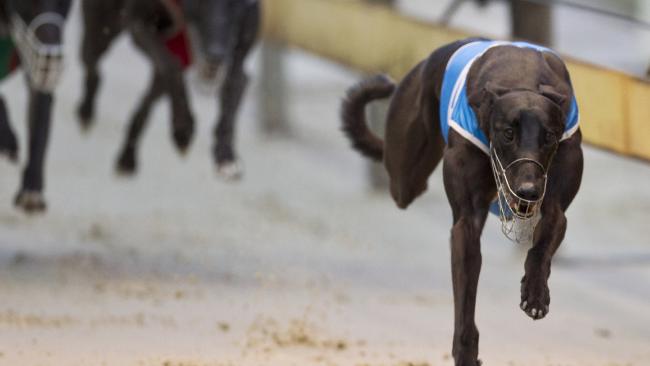
The point of consumption tax is a tax on the wagering losses of NSW residents.
The NSW POCT was introduced on 1 January 2019 and applies to all wagers placed by NSW residents, regardless of the location of the wagering operator. This tax closed a loophole in wagering laws where most online bets were not taxed. The NSW Treasury also stated that the POCT ensures that “tax is collected at the point at which the harm occurs”.
A percentage of the POCT is given to the racing industry. This is all money diverted from critical areas like education, health and infrastructure.
In June 2022, the NSW POCT increased to 15% with 33% passed on to the racing industry. In FY25, this amounted to $8.1m given directly to Greyhound Racing NSW with additional POCT used to fund the Greyhound Welfare and Integrity Commission.
Squandering taxpayer money
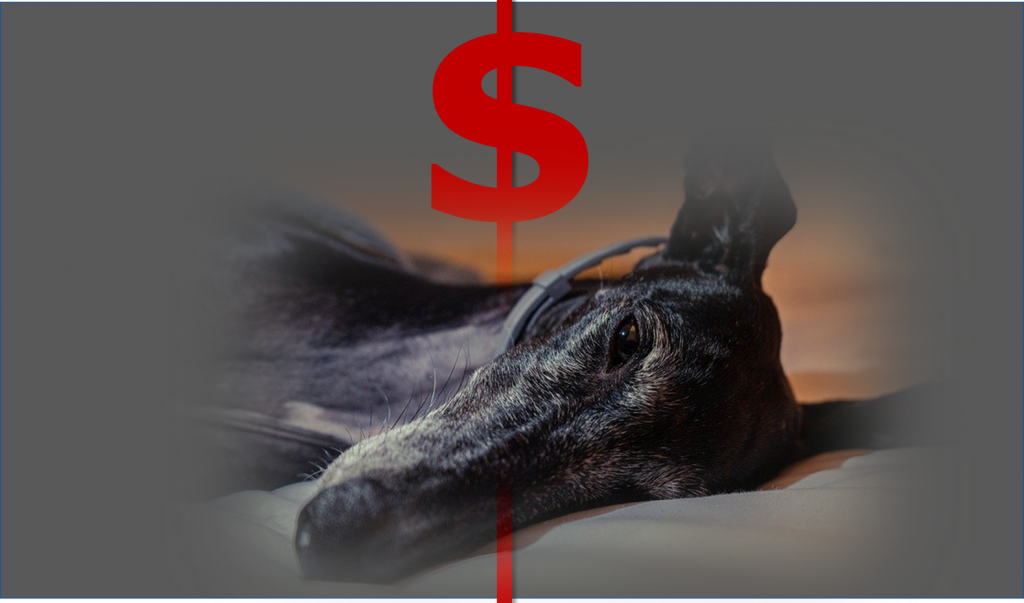
The Victorian government has given hundreds of millions of taxpayer dollars to the racing industry. Over the past six years, this amounts to almost a billion dollars. Much of this was gifted to the industry via the Victorian Racing Infrastructure Fund along with millions in prizemoney and grants to keep the industry solvent.
On 1 January 2019 the Victorian government implemented a point of consumption tax (POCT) on wagering and sports betting. From July 2021, the POCT applied at a rate of 10% of net wagering revenue with 35% passed on to the Victorian racing industry. From 1 July 2024, the POCT increased from 10% to 15% with 50% of POCT revenue to given to the Victorian racing industry.
The government also established a ten year funding deed which will see the Victorian racing industry funded with $900m of taxpayer money.
Every cent of this taxpayer money could and should be spent on fixing roads, healthcare, education, aged care and other areas that are critical to the entire community.
The assumption that gambling tax should be “ring-fenced” and only used to support the racing industry is without merit. If we followed this line of reasoning, then alcohol tax should only be used to build breweries rather than benefit the wider community.
Racing more important than the homeless
GRV is boasting about a so-called financial turnaround in FY25 following its reporting of a $22.7m loss in FY24. This record loss was despite taxpayer funding of $16.3m. While GRV posted a modest $2.3m in FY25, this was at the expense of over $40m provided by Victorian taxpayers.
In FY25, Greyhound Racing Victoria received $46 million of taxpayer money:
- $30.9 million via the Point of Consumption tax (POCT), a 115% increase over FY24. In July 2024, the POCT which is a tax on Victorians’ wagering losses was increased from 10% to 15% with 50% of the tax received by the government given to the industry.
- $14.2 million via VRI (Victorian Racing Industry) funding. This new 10-year funding arrangement provides $90 million in annual payments to the industry across the thoroughbred, harness, and greyhound codes.
- $942,000 via the Victorian Racing Infrastructure Fund.
As part of the Inquiry into the 2023–24 Budget Estimates held in June 2023, Racing Minister Anthony Carbines was asked why the Victorian racing industry will get an extra $120 million per year which is four times the funding allocated to homelessness and housing services.
He responded by saying that the racing industry employs 35,000 people across the state. This is a significant exaggeration with the 2021 ABS census showing 3120 people full time employed in the Victorian racing industry.
What Minister Carbines also failed to mention was that the Victorian racing industry is very adequately funded by the gambling industry.
A loss making industry
TasRacing reported a loss of $1.2 million in FY25 despite receiving taxpayer funding of $46.3 million.
TasRacing is funded primarily by the Tasmanian taxpayer via an Annual Industry Funding Grant. The Grant provides the industry with a minimum of $27 million a year over a 20-year period, increasing by CPI annually.
A Government inquiry into the performance of Tasracing highlighted numerous issues with the funding agreement including that: “The ongoing indexed $27 million funding model fails to tie funding to performance and is irrespective of revenue earned.”
There is growing resistance by Tasmanian taxpayers to this misuse of public funds. A parliamentary petition in June 2022 calling for an end to public funding of greyhound racing amassing more than 13,500 signatures, the most of any e-petition tabled to parliament.
SA Racing no longer claims it’s “clean”
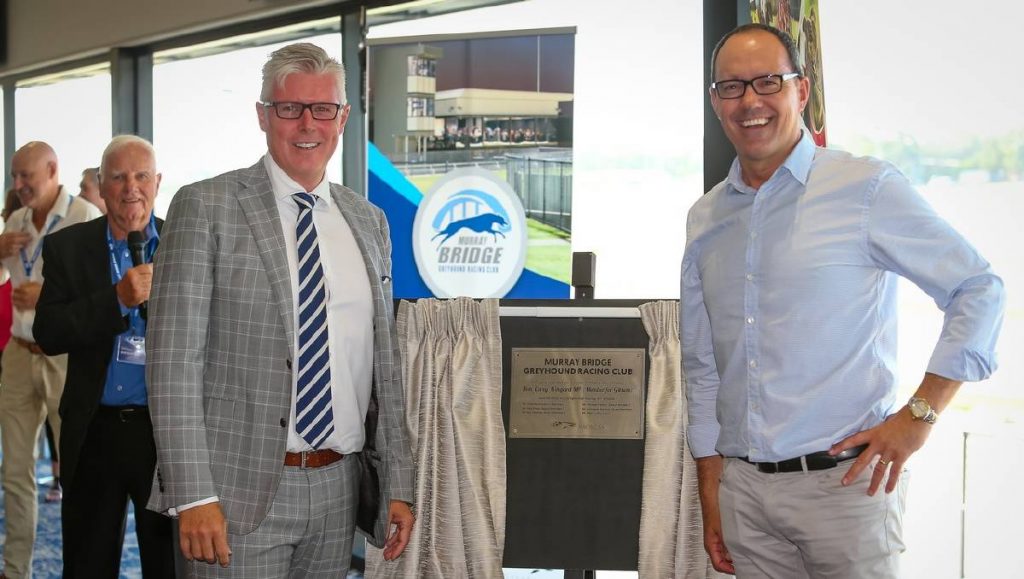
Greyhound Racing SA chairman Grantley Stevens and SA Racing Minister Corey Wingard at the opening of the Murray Bridge track in July 2019 which saw the death of a greyhound. (Photo: Greyhound Racing SA)
In June 2019, Racing Minister Corey Wingard delivered a $24 million package to the SA racing industry. The Minister spoke of the important work of the racing industry and how the Government would help to strengthen the viability of its business model. This was despite the Government having minimal oversight into the welfare of animals involved in the racing industry.
Unlike other states which responded to the 2015 NSW live baiting scandal with comprehensive inquiries into the industry, the SA Government refused to support an independent inquiry. That changed in 2023 when it was forced to announce an inquiry due to the exposure of animal abuse and live baiting in the SA greyhound racing industry. The resulting report made 57 recommendations which the industry must implement in two years or face closure.
Taxpayers supporting a brutal industry
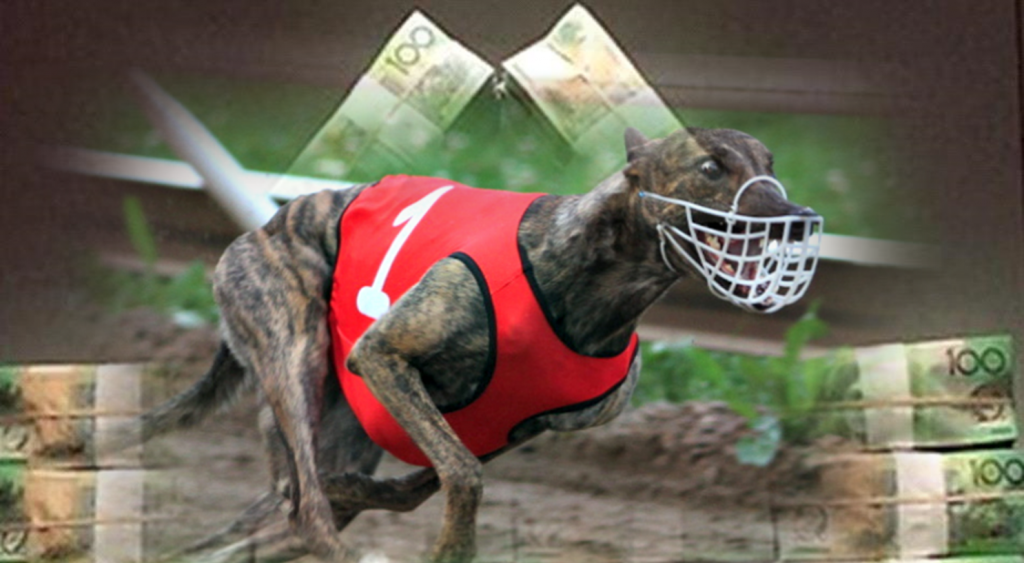
$4.3 million of taxpayer money was given to the SA greyhound racing industry over the last two financial years.
A 15% point of consumption tax (POCT) applies to South Australians’ betting losses. A percentage of the POCT is given to the SA racing industry. In June 2023, the SA Labor Government, led by Peter Malinauskas, announced an increase in the POCT from 10% to 20% commencing July 2023.
A month later, the SA government launched an inquiry into Greyhound Racing SA after a leading trainer was shown kicking and punching greyhounds, including puppies, on a property south-east of Adelaide. This followed three SA trainers being given lifetime bans after a live baiting scandal.
In December 2023 the inquiry handed down 57 recommendations, with an additional 29 from Greyhound Racing SA, the RSPCA and the Animal Justice Party. Based on the results of the inquiry, the South Australian government has given the greyhound racing industry two years to improve its standards, or it will be banned.
GRSA is also the only racing body in Australia that remains exempt from FOI, aside from the Northern Territory. This allows it to operate in secrecy.
This is not a self-funded industry
Claims that greyhound racing is self-funded are simply not true.
For example, the WA racing industry including greyhound racing is funded primarily via profits made by the Government-owned WA TAB. This is supplemented by income generated via the race bets levy paid by national wagering operators and proceeds from the point of consumption wagering tax. This is all taxpayer money that could be spent on areas of critical importance to the WA community like health, education and infrastructure.
Over FY24 and FY25, the WA Government gave the greyhound racing industry $64.7 million of taxpayer money.
The WA TAB is the last state owned TAB in Australia. For over 10 years the WA Government has been trying to find a buyer for the TAB. In 2024, RWWA was forced back to the drawing board for the second time in 18 months after the most likely bidders withdrew or did not offer enough money.
The 2022 sale process which was ultimately abandoned by the government cost WA taxpayers at least $3.5 million.
Investigation into Darwin Greyhound Association
The Darwin Greyhound Association operates the only registered NT track at Winnellie.
In 2020, the NT Racing Commission launched an investigation into the Darwin Greyhound Association (DGA) following a series of allegations made by current and former members and trainers.
The investigation found that NT greyhound racing “does not have adequate policies and procedures in place to ensure best practice animal welfare standards are being adhered to.”
The report exposed an industry operating with little or no concern for animal welfare. It also revealed a regulator with few strategic or operational guidelines in place to protect greyhounds from injury, unnecessary euthanasia and doping; and promote adequate housing and medical care.
In October 2025, the NT Government announced a new funding agreement to 2032 for the racing industry. This included:
– Replicating existing funding streams.
– Removing prescriptive capital allocations to specific clubs.
– Introducing a Racing Industry Contribution Levy payable by Wagering Service Providers (WSPs).
Prior to the introduction of the new agreement, the DGA received between $400,000 and $550,000 under the Funding Agreement, annually.
A taxpayer-funded industry
In FY25, the Tasmanian government funded the racing industry with $46.3 million of taxpayer money including $39 million under the Annual Industry Funding Grant and $7.3 million point of consumption tax (POCT)
The Tasmanian greyhound racing industry received $7.5 million.
As announced in 2025, the Tasmanian Government will end funding and phase out the industry by 30 June 2029. The phase out was driven by driven by animal welfare concerns and declining support. The phase-out plan includes a ban on breeding, compensation for industry participants, and legislative changes to transition the industry.