A greyhound racing vet nurse speaks of horror and abuse

A young track vet nurse has revealed harrowing insights into the cruelty of greyhound racing. Leaving the WA industry after three years, the vet nurse described how the experience had driven her to despair. 

Below are some extracts from a Perth ABC radio interview held on 17 September 2025. As the host said, the distress that the vet nurse went through watching those injured dogs meant that “she couldn’t do the job anymore and she quit.” 

“The expectation is that you, if the request for euthanasia is, if that's requested, then the expectation is that you perform that euthanasia, you put the dog in the freezer, in the vet room, and then you go out and you watch the next race and you continue on….”
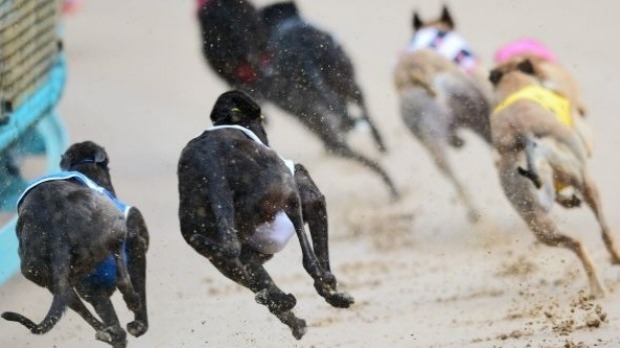
greyhounds racing on a track
Track vet nurse
WA greyhound racing industry

The nurse explained her role: 

“So my job was to assist the on-track vet on race nights with incidents, injuries and sort of anything that sort of reared its head, essentially, as racing was going on. 

“You might have periods where you go a whole week and there’s nothing and then you might have another week where you have two, three, four serious injuries within that week or on the same night if you’re having a really bad run.”

Because of the euthanasias and racing injuries, she said:

“It changes you. It really changes you. I was a very different person when I started….

I found it pretty awful. My mental health towards the end of my employment there was in the absolute toilet. And I considered taking my own life…. 

“The expectation is that you, if the request for euthanasia is, if that’s requested, then the expectation is that you perform that euthanasia, you put the dog in the freezer, in the vet room, and then you go out and you watch the next race and you continue on….”
 

Racing injuries

So your most common minor injury that you would probably see is muscles, strains, tears, sort of lacerations, small wounds, and then you’d see things ranging up to fractures from long bones, hocks.

“You would see open fractures sometimes. In the very occasional circumstance, you have dogs that they die on track. They have a collision and then they suffer a serious immediate injury and they’re deceased before you get there.

You have fractures, you have the occasional instant death. And the fractures themselves are, they’re quite serious.

“There’s been an instance where we had a dog that stays with me and it’s the first one that I think of, but this dog, he had two foreleg fractures, both open and an injury like that, that really changed and impacted the way that we were able to treat him. And it’s not something that a pet would have happen in a regular sort of day-to-day situation. It’s awful.”

“outdated, unsustainable and inhumane, it pretty much sums it up"
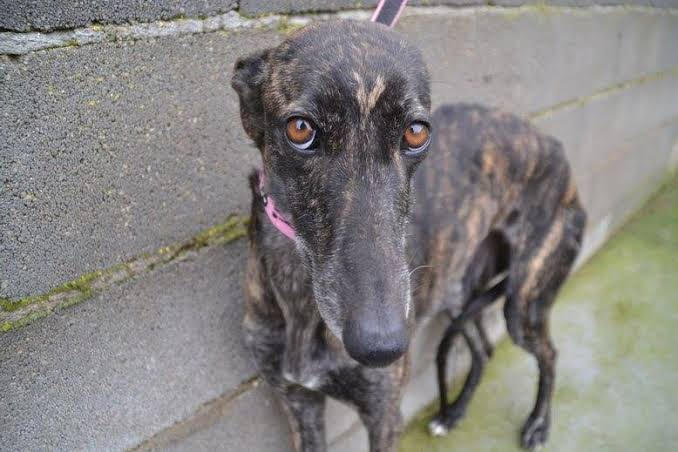
Track vet nurse shares her thoughts on greyhound racing
WA greyhound racing industry

Dangerous racetracks

“you’ve got, in a full field of dogs, you know, you’ve got eight dogs running. The camber or the angle of the track, should I say, sometimes will funnel these dogs into the centre towards the rail.

“You know, you have eight dogs doing, you know, anywhere from 40 to 60 kilometres an hour. They kind of run on each other. If you watch race replays, you know, that’s one of the ways that dogs fall, they have injuries.

“They collide, they bump, they, you know, jump on the back of the other dog or their legs or whatnot if they’re sort of in a very tight field. So, you know, there are collisions and injuries resulting from that. And the angle of the racing surface, depending on where they’re racing and the boxes that have come out of it, it all has a role to play in injuries.”

And the nurse sums up her thoughts on greyhound racing: “outdated, unsustainable and inhumane, it pretty much sums it up”.

The WA vet nurse joins the 32 vets and vet nurses in Tasmania who have spoken against dog racing, as well as the Bondi Vet, Dr Kate Adams. 

https://www.abc.net.au/listen/programs/perth-mornings/mornings/105771332#