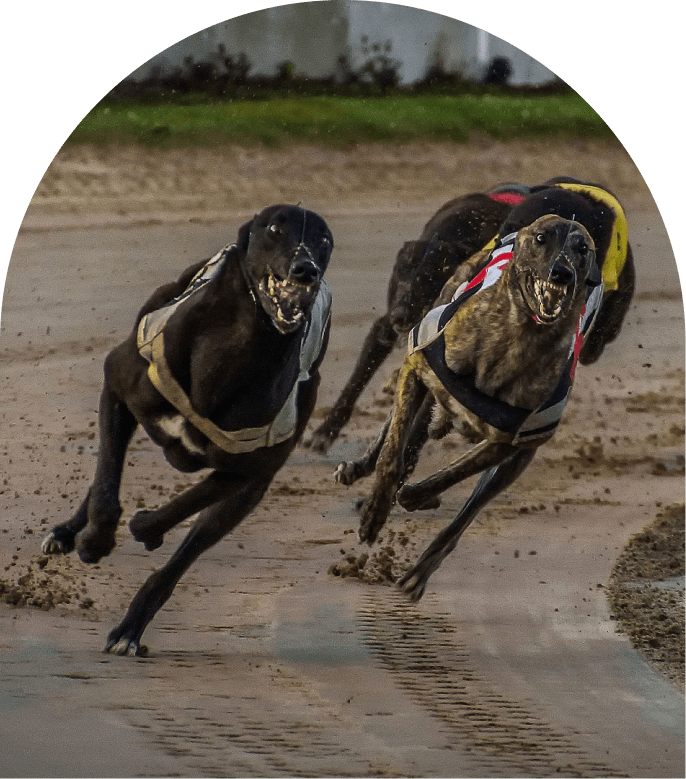
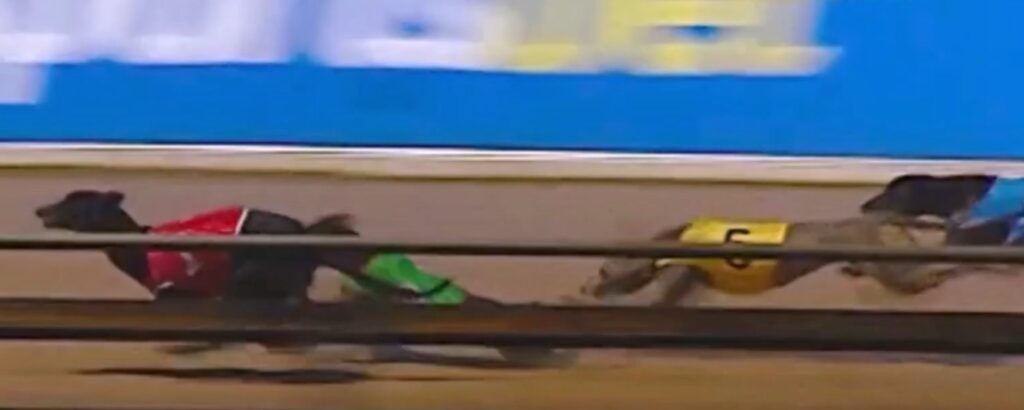
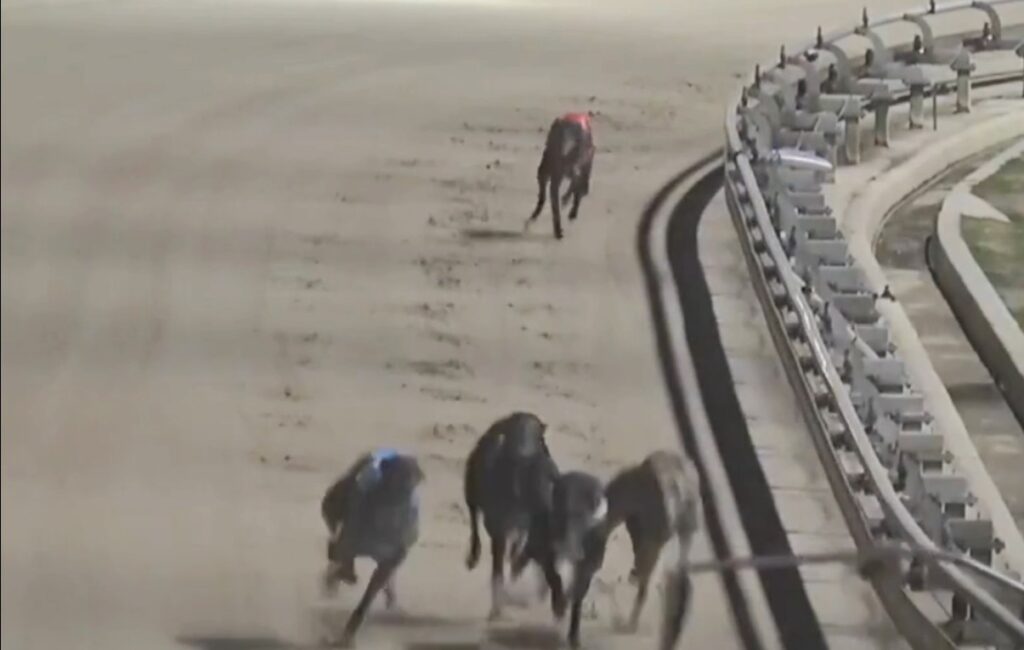
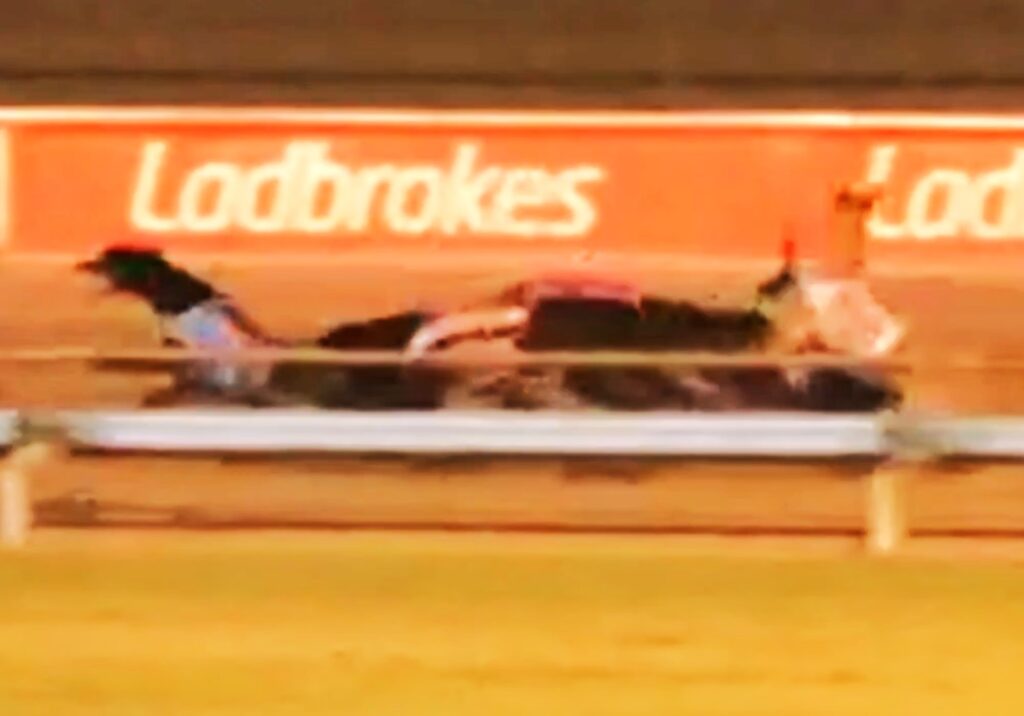
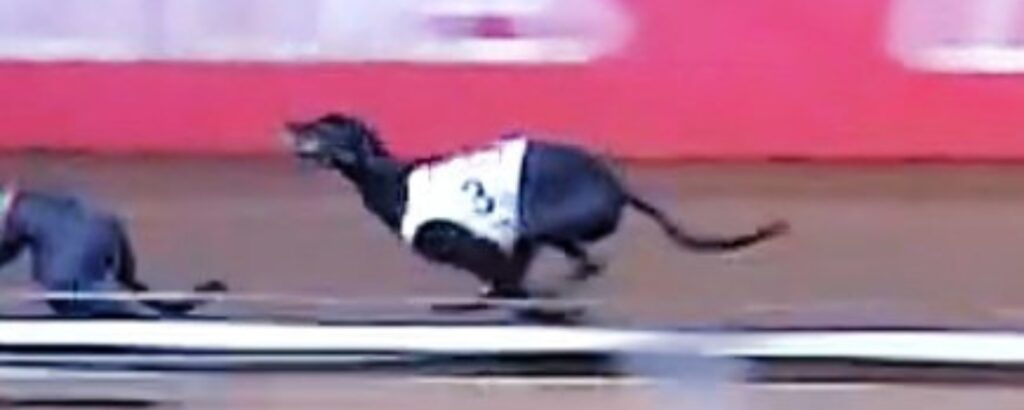
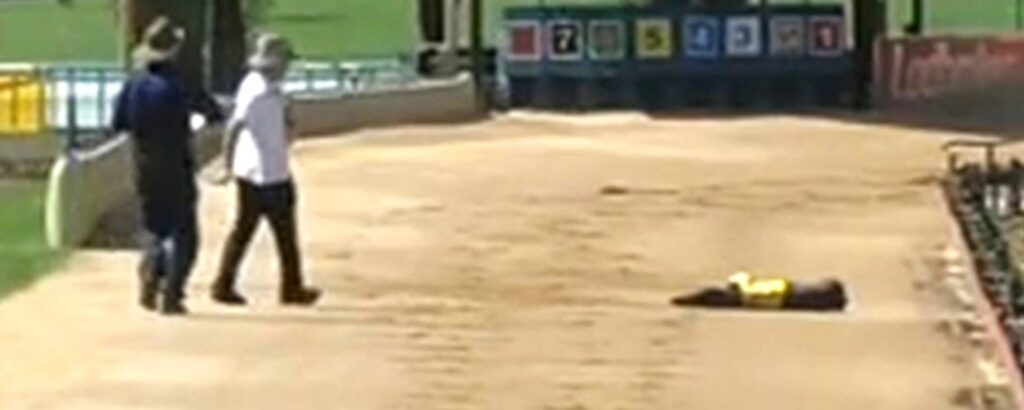
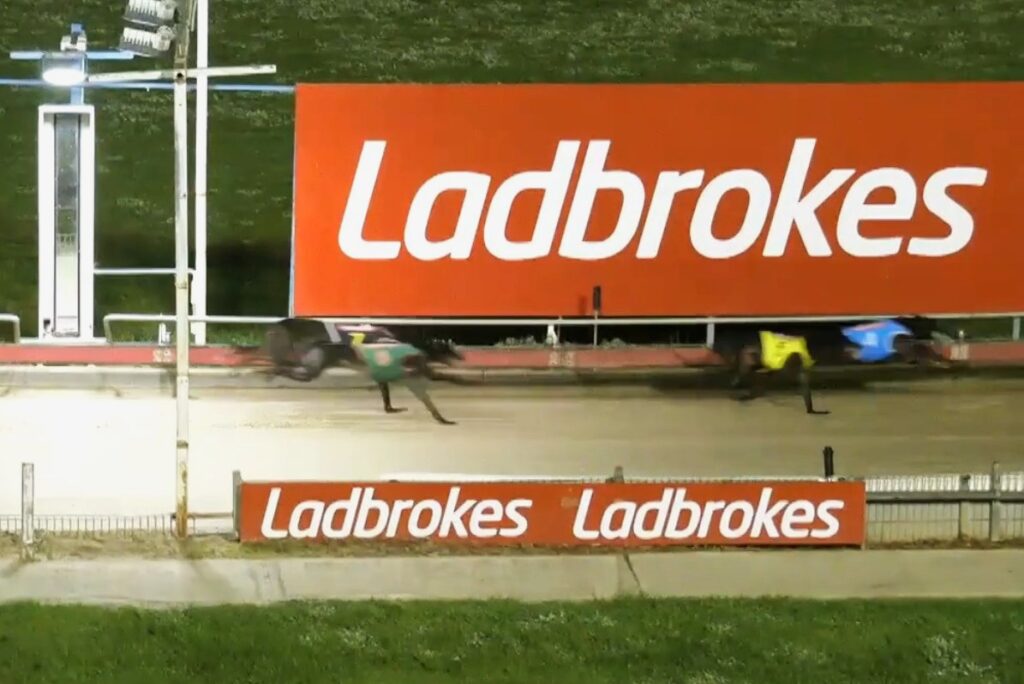
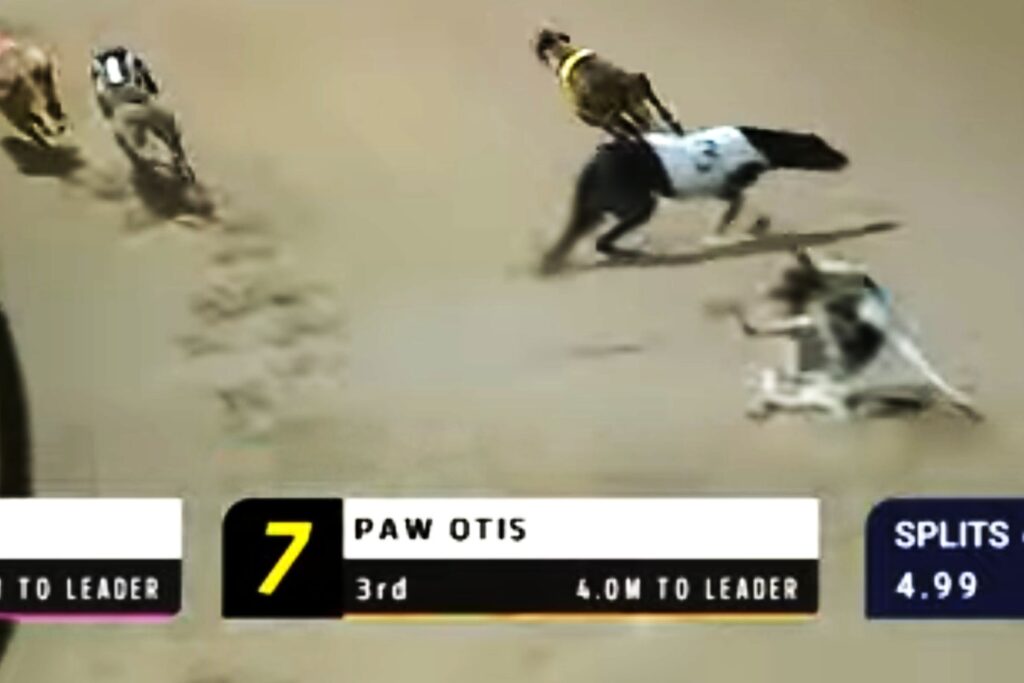
Greyhounds run at up to 70kmh and collisions are often fatal. Injuries are very common causing intense pain, suffering and distress.
Stewards reports show greyhounds suffering at every racetrack. Horrific deaths are frequent – broken necks, backs, spines, mutilation by race lure.
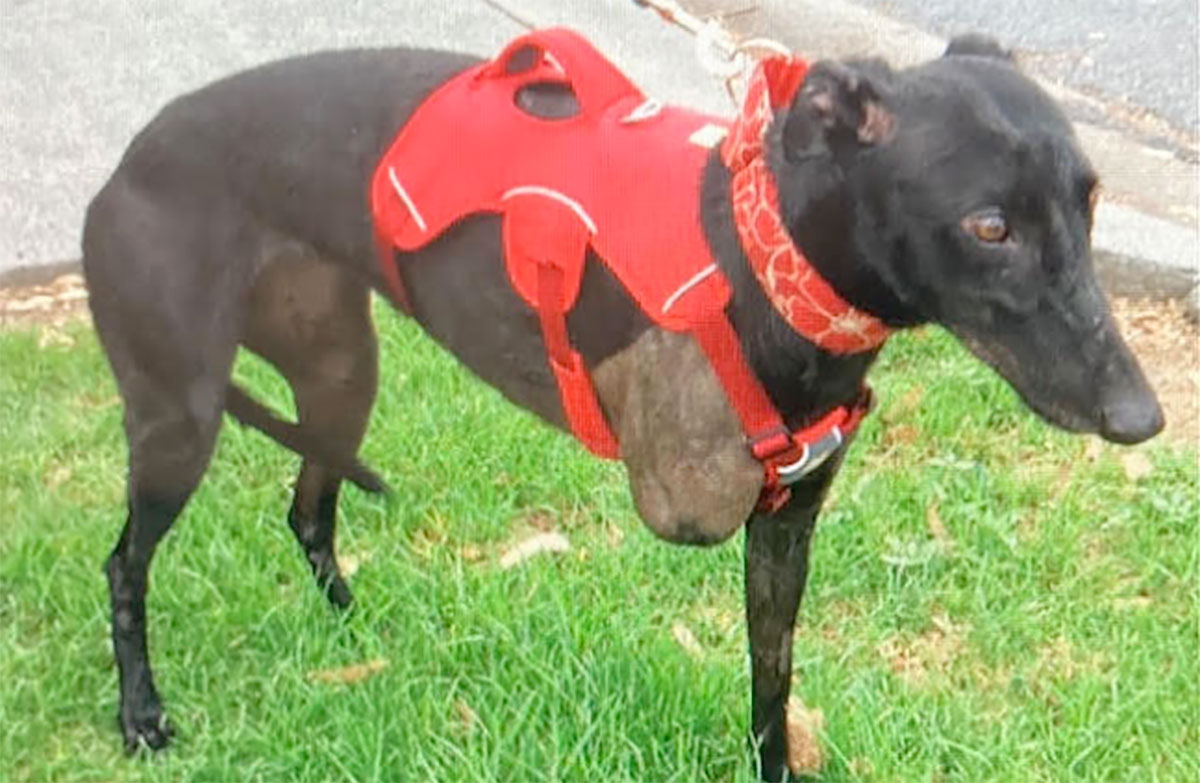
By far the most common injury suffered by racing greyhounds is a broken leg. These are often treatable at an estimated cost of $4,000 depending on the severity, but most dogs are killed.
Greyhounds also suffer compound fractures and occasionally communited fractures which is where the bone is shattered and more often associated with being hit by a car or shot.
Greyhounds are put under intense pressure when racing and this physical over-exertion causes seizures due to a lack of oxygen, heat-related stress and the collapse of greyhounds post-race. Serious injuries can lead to greyhounds dying on the track or being put to death at the end of the race.
The racing industry and regulators refuse to reveal the number of deaths and injuries at each racetrack. The industry tries to hide the dangers of racing by censoring race videos.
No Tracks are Safe
Every race and trial has the potential for death and injury and racetracks will never be safe. However, the racing industry and its political cheerleaders continue to promote the myth that racetracks have been improved and made safe.
A recent example is The Q racing complex in Queensland. The Q is the world’s most expensive and supposedly advanced greyhound racing complex. It is also Australia’s deadliest racing centre. Over 20 greyhounds have died after racing at The Q since it opened in mid 2025, with more than 500 injured.
The Reality of Straight Tracks
While straight tracks are somewhat safer than curved tracks, straight tracks are still dangerous, with dogs running at high speeds, bumping into each other, stumbling on the surface, and suffering injuries and deaths. Some of the most distressing racing scenes in recent years have occurred on straight tracks.
The racing industry knows that straight tracks are somewhat safer than turn tracks, but have never replaced a turn track with a straight track. Instead, straight tracks are built to provide a ‘product differentiation’ to the gambling market and to race young dogs and old dogs that would struggle on tracks with turns.
Forced to Race
Greyhounds are bred for prey drive, they are “broken” as puppies and punished if they don’t race with enough commitment. For example, greyhounds are charged under industry rules for not being competitive enough on the track. They are also penalised for demonstrating many behaviours typical of a normal dog including marring (turning their heads).
Track Deaths & Injuries Data
See the Reality Behind Greyhound Racing
Each year we document the greyhounds who are injured or killed on Australian racetracks. Explore our data to understand the true cost of this industry and why change is urgently needed.