After more than seven years of research and advocacy regarding the South Australian greyhound racing industry, and closely observing the reform period over the past two years, our position is clear: greyhound racing in South Australia should be phased out.
Greyhound breeding should end, interstate transfers stopped, and greyhounds safely rehomed as part of a planned transition away from racing. Participants should be supported through a fair transition.
Not a position reached lightly
After more than seven years of research and advocacy regarding the South Australian greyhound racing industry, and closely observing the reform period over the past two years, our position is clear:
This position has not been reached lightly. It comes from years of reviewing public records, observing reform processes, and listening to trainers, owners and breeders, adopters, veterinarians, and members of the wider community.
What we have come to understand is that the welfare problems in greyhound racing are not isolated incidents or the result of a few bad actors. They are structural.
The SA industry depends on breeding or importing interstate dogs to sustain race fields and gambling turnover, creating an unavoidable, permanent tension between commercial interests and animal welfare.
The impossibility of reconciling animal welfare expectations with industry priorities
We have spoken to and supported many people across the industry over many years.
We have heard from industry participants who privately question practices and feel trapped in the system, while publicly defending it. We have also spoken to former workers who entered welfare and adoption roles with genuine compassion, only to later describe moral distress, emotional exhaustion and burnout as they attempted to reconcile animal welfare expectations with industry priorities.
These experiences have reinforced our view that the problem is not a lack of caring individuals, but a system that places people in an impossible position and too often fails the dogs it is supposed to protect.
Regulation means little if harmful outcomes remain normalised
This is not about whether individuals care for their dogs. It is about whether animals should continue to be bred and raced within commercial gambling system where harm remains persistent despite decades of regulation and reform at the taxpayers’ expense.
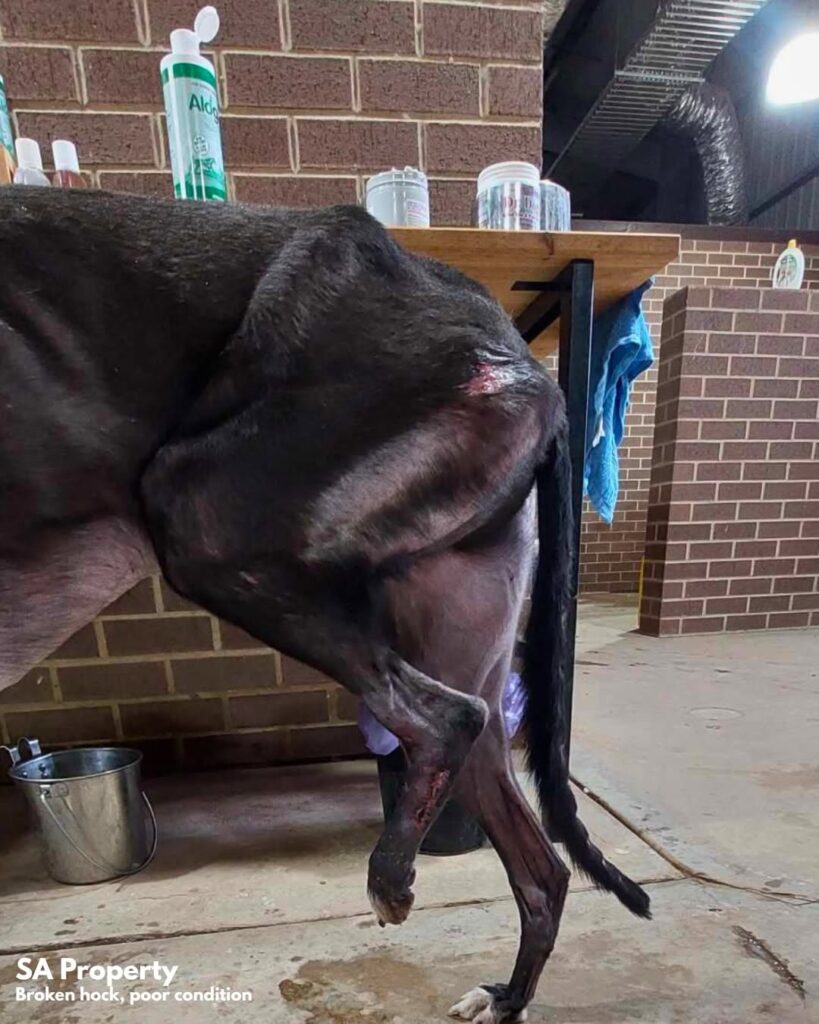
We have watched reform closely, yet the same concerns continue to surface: overbreeding, behavioural deprivation, injury risk, and uncertain post-racing outcomes. What this reform period has increasingly demonstrated is not simply the difficulty of fixing greyhound racing, but the limits of reform itself.
Independent regulation may improve oversight, but evidence shows it cannot eliminate structural harm:
- Despite the establishment of the Greyhound Welfare and Integrity Commission in New South Wales in 2018, NSW has one of the highest greyhound injury rate in Australasia.
- In Queensland, the Queensland Racing Integrity Commission was established in 2016, yet the state’s flagship racing complex has caused the racing deaths of over 30 greyhounds since opening in 2025.
This is a system fundamentally incompatible with contemporary animal welfare expectations
Within the industry, a form of cognitive dissonance often exists, where genuine affection for greyhounds coexists alongside the minimisation of racing harms. When identity, livelihood, and community are intertwined with an industry, confronting uncomfortable realities is deeply difficult.
Our concern is not with condemning individuals; it is with questioning a system fundamentally incompatible with contemporary animal welfare expectations. Greyhounds are sentient animals whose worth does not begin at the starting box and end when they can no longer race.
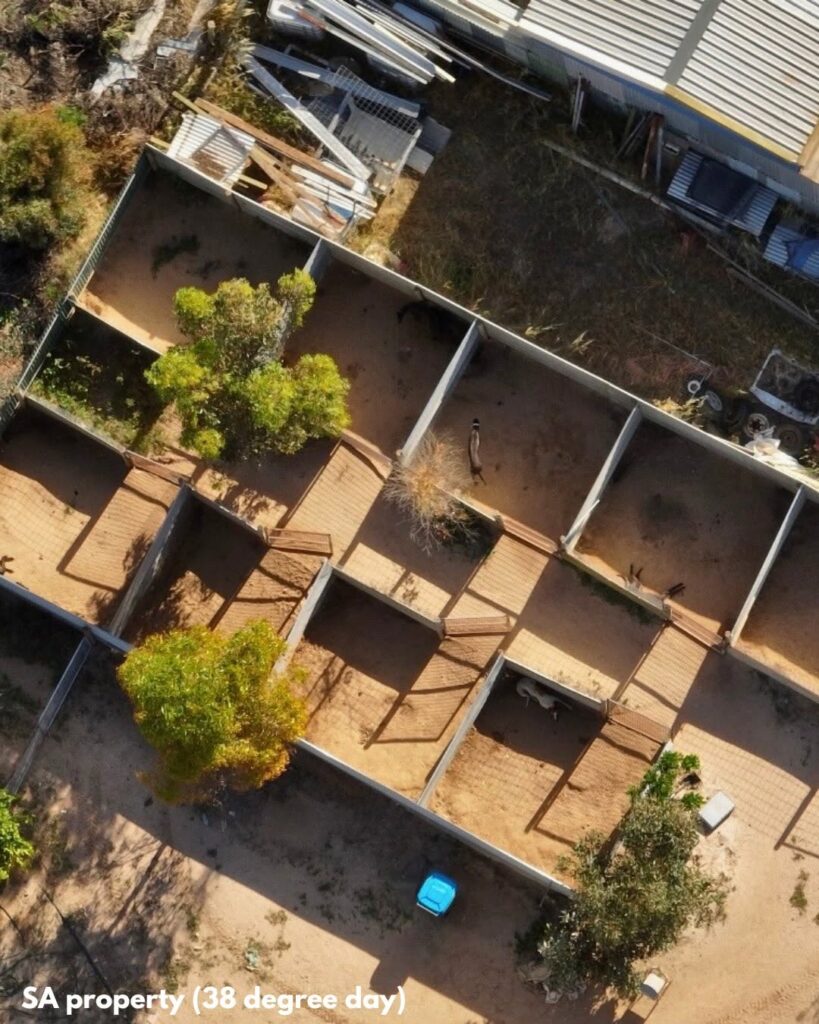
Greyhound welfare and the commercial imperatives of racing are fundamentally incompatible
We recognise not everyone will agree with our position, and we welcome respectful conversation. But after years of research, our conclusion remains unchanged: the welfare interests of greyhounds, and the commercial imperatives of racing, are fundamentally incompatible.
Community expectations are continually changing. The question is no longer whether greyhound racing can be better regulated, but whether the continued use of animals for commercial gambling remains socially and ethically acceptable.