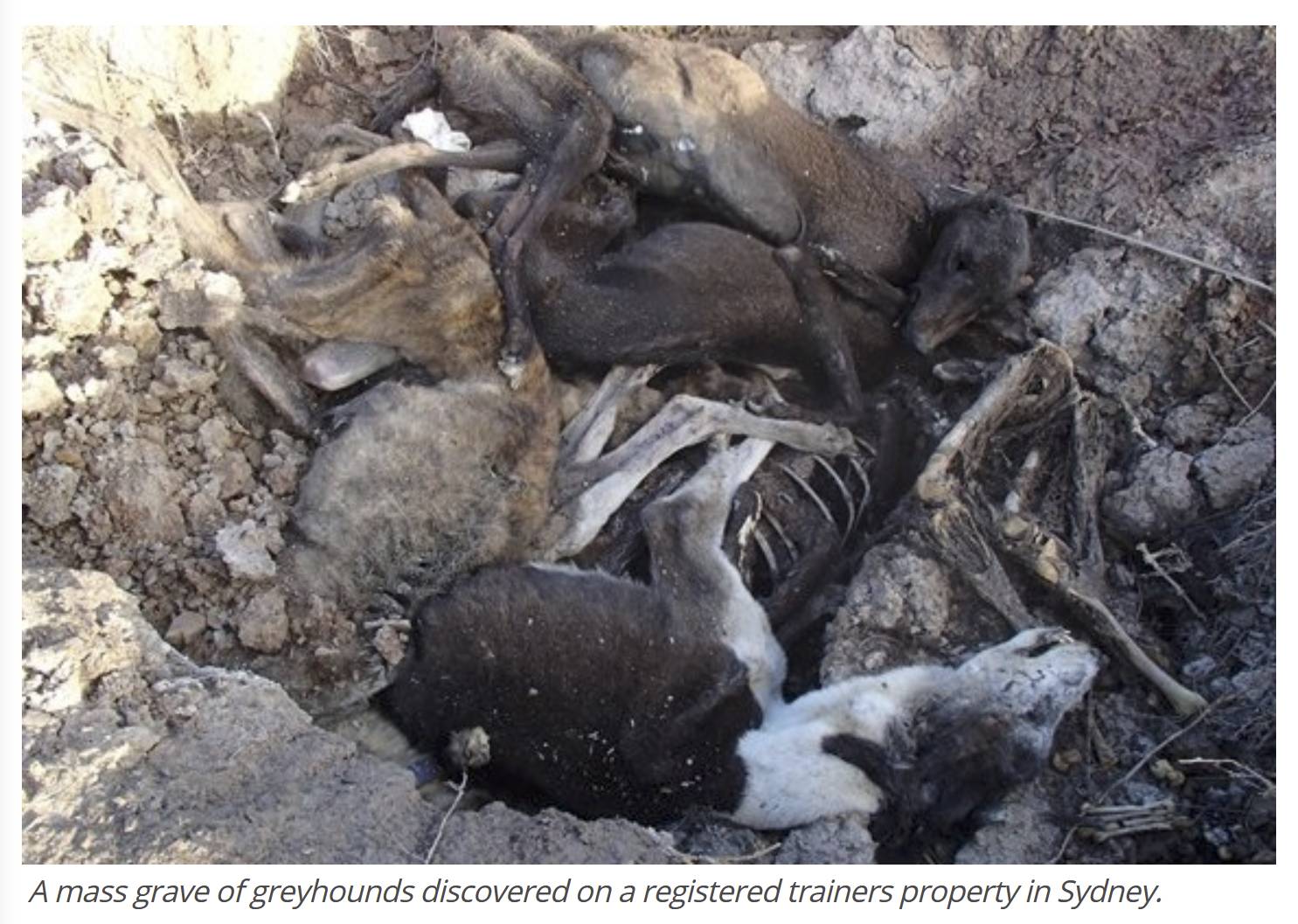
Not every dog is suited to racing. Around 25% of the 11,000 greyhounds bred in Australia each year are surplus to requirements. The industry calls them ‘initial wastage’ and they are discarded much like a losing lottery ticket. This is compounded by ongoing ‘wastage’ as greyhounds are retired from racing or discarded because they are injured or do not perform as well as expected. Wastage refers to animals bred for only one purpose and that are discarded and often subsequently killed.
Breeding fell dramatically following the exposure of mass killing and live baiting across the industry. However, it is now on the increase with a 50% increase in puppies bred for racing in NSW since 2017 and a 72% increase in Victoria.
Participants are lured by prize money inflated by state governments but also by breeding incentive schemes. This is despite the industry knowing there is a huge over supply of greyhounds. The industry is currently breeding six times more greyhounds than it has the capacity to rehome.
The Special Commission of Inquiry into the Greyhound Racing Industry in NSW found that ‘the most significant contributor to immediate wastage is the number of greyhound pups whelped each year that are simply uncompetitive. Some of these greyhounds are discarded by the industry without having any racing careers. Additional greyhounds are discarded following a racing career of short duration.’
The solution to this problem is a cap on the number of greyhounds bred. To reduce breeding in NSW, the Greyhound Welfare and Integrity Commission must be empowered to set and enforce breeding numbers. Read the white paper
Another animal welfare issue is the use of surgical artificial insemination which involves highly invasive and painful surgery performed on female greyhounds. This surgery is banned in some EU countries as it is considered unethical.
Evidence
- RSPCA Knowledge Base: What are the animal welfare issues with greyhound racing