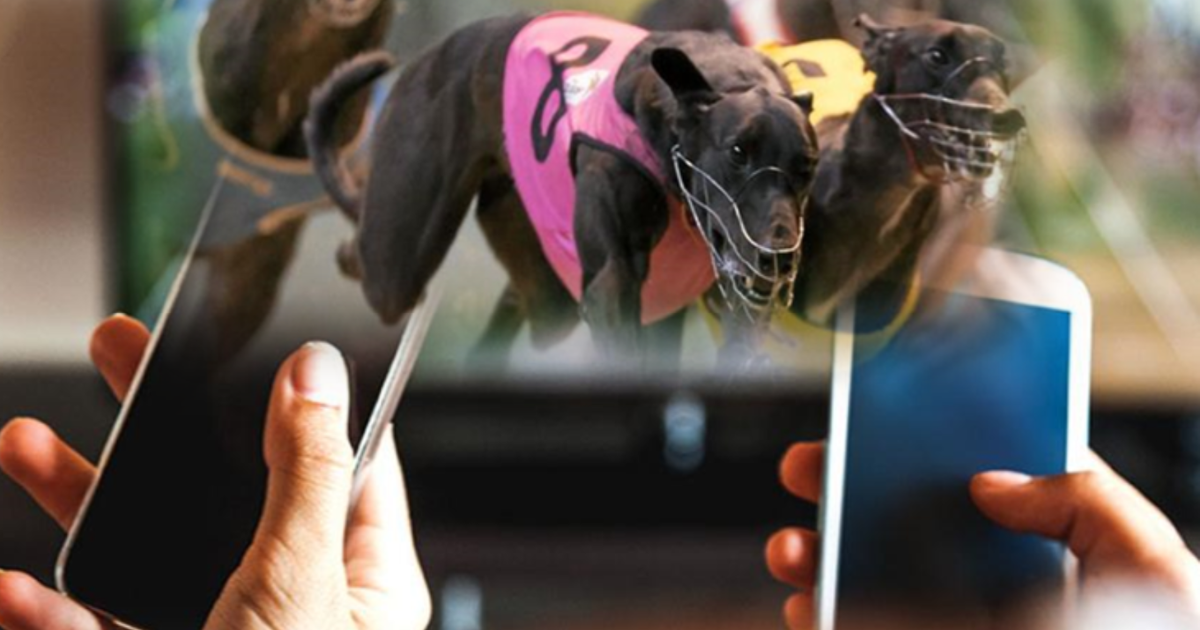
Let’s think about what you’re betting on

by Warren Young, Coalition for the Protection of Greyhounds

Australians love to bet.

In a digital world, people can and do gamble on just about anything through the convenience of their digital devices. It’s a well-known fact that Australians lose more money per head of population than people from any other country in the world. Some people develop an addiction to gambling which can cause enormous harm to themselves, their friends and family, and society in general. For others, punting is just an occasional pursuit and a bit of fun.

Gambling is not going to go away anytime soon because it’s so entrenched in Australian culture. But can we think more about the ethics of our betting choices.

Ethical behaviour

Compared to years gone by, many people are trying to make ethical choices about how they live their lives. In the presence of climate change, many people are trying to reduce their own carbon footprint. For example, people are choosing to reduce their household waste, recycle, use solar power, reduce the use of single use plastics, eat less meat, and many other simple measures to be kinder to the environment.

Other examples of ethical choices are:

  • Donating to charities and the underprivileged
  • Fighting for human rights
  • Acting to protect vulnerable groups like the elderly, children, disabled people, victims of domestic violence, and first nations people
  • Reducing suffering of people with incurable diseases

These are just some examples of how people modify their behaviour in consideration of others.

Animal rights is a huge issue of its own, as there are many human activities that impact the lives of animals. There are political parties (e.g. Animal Justice Party), community groups, and organisations such as the RSPCA that all aim to improve the lives of animals.

Therefore, many people possess empathy and consider how activities of daily life could potentially influence positively or negatively on sentient beings (humans and animals). So it makes sense that ethical considerations should apply to gambling. Given the endless options for placing a bet, why is it necessary to gamble on the lives of animals as is the case with greyhound racing? Every time a greyhound starts a race, there is a real chance of a serious injury or death.
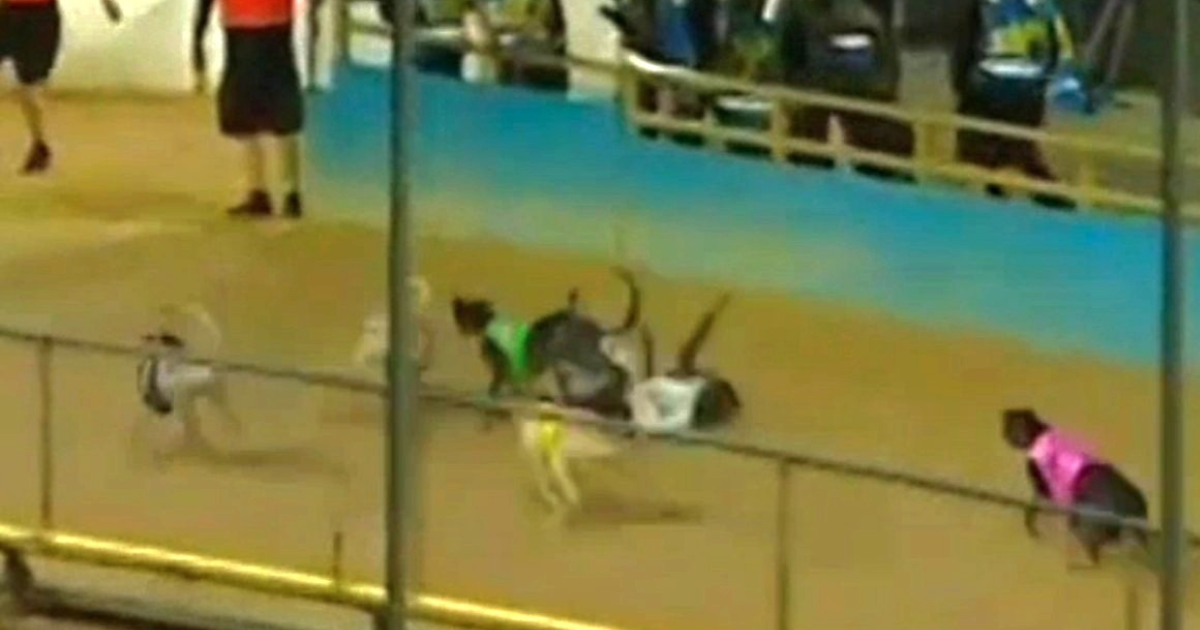
Given the endless options for placing a bet, why is it necessary to gamble on the lives of animals as is the case with greyhound racing? Every time a greyhound starts a race, there is a real chance of a serious injury or death.

Human sports

In all sports and recreational pursuits undertaken by humans, participants have some voluntary motivation. It might be fun, pleasure, satisfaction, or social interaction. Therefore, the popularity of sports participation has nothing to do with the fact that it’s possible to bet on them. Athletes are usually unaware that others maybe be gambling on the outcomes of their actions. Gambling makes no difference to their motivation, and sports like football codes, tennis and golf would flourish if there was no gambling. That is not the case with greyhound racing, which would not exist without gambling.

Like many dog breeds who are now primarily companion animals, greyhounds were bred to hunt. Greyhounds do love to run and chase, but that activity is play, and is motivated by pleasure. It is usually spontaneous, and its nature is varied and unpredictable. That type of activity is completely different to commercial greyhound racing, which is designed by humans for entertainment and gambling. Running around a curved track with a bunch of other dogs chasing a mechanical lure is not what greyhounds love to do. Any pleasure they may receive comes from the rewards given to them for their achievements, and the fact that they have little other physical activity opportunities as a kennelled racing dog.

Not only is greyhound racing an unnatural and involuntary activity for the dogs, but it is totally unpopular to the so-called fans. There are no crowds at tracks because greyhound racing does not appeal to the public.

An unnatural and unpopular activity

Not only is greyhound racing an unnatural and involuntary activity for the dogs, but it is totally unpopular to the so-called fans. There are no crowds at tracks because greyhound racing does not appeal to the public. The only people who engage with greyhound racing apart from industry participants are punters who largely bet online remotely.

While some racing greyhound owners care about their dogs if they are winning prize money, many greyhounds are owned by syndicates that have no emotional connection to their possessions. The greyhounds only exist as a commodity that will eventually be discarded, or rehomed (if they are lucky).

In short, greyhound racing is not an ethical choice when it comes to gambling. People should be encouraged to think about the consequences of their betting, just as they do in other walks of life.