
by Warren Young, Coalition for the Protection of Greyhounds
As canines became domesticated, humans have created a large variety of ways dogs can assist them.
The so-called working dogs have been bred and trained to provide many useful functions, including:
- Search and rescue e.g. locating missing people
- Military & Police e.g. tracking suspects
- Detection e.g. detecting substances like narcotics
- Herding e.g. managing the movement of livestock
- Conservation e.g. locating endangered species
- Guarding e.g. deterring intruders
- Therapy e.g. providing emotional support
- Service e.g. assisting people with disabilities
Humans have also trained canines for entertainment, such as:
- Agility dogs e.g. entertainment based on agility performance
- Show dogs e.g. entertainment based on appearance and temperament
- Dog racing e.g. greyhound racing
Many different breeds have been used for the above functions, but greyhounds are unique in one way. Greyhound racing is the only use of dogs designed exclusively for gambling. Without gambling, greyhound racing would not exist in Australia. Even the use of dogs for entertainment via agility and show competitions is not known as a gambling activity, whereas greyhound racing and betting are inextricably linked.
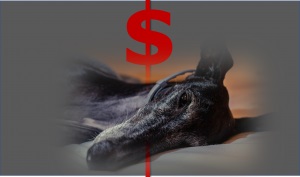
Why does this matter?
Agility and show dog competitions are regarded as recreational or hobby activities without the exchange of large amounts of money. In contrast, greyhound racing is a massive industry in Australia with money that can be generated from winning races, appearing in races, breeding, and training. Although these amounts can be large, they are tiny compared to the amount of money won and lost from gambling activity relating to greyhound racing. As such, industry participants, governments, and gambling companies have vested interests in maintaining the industry.
Unfortunately, whenever large amounts of money are at stake, there is potential for unethical behaviour. This is why we see many examples of greyhound trainers being exposed for using illegal practices such as doping, live baiting and keeping dogs in substandard conditions.
There is little doubt that the welfare of some working dogs is put at risk by the tasks they perform for humans. Locating explosives by dogs in the military is an obvious example. But the money that is tied up in greyhound racing makes it too tempting to treat greyhounds as commodities at the expense of welfare. Every time a greyhound starts a race, there is a chance of injury and death. And this occurs thousands of times a year for thousands of greyhounds around Australia.