
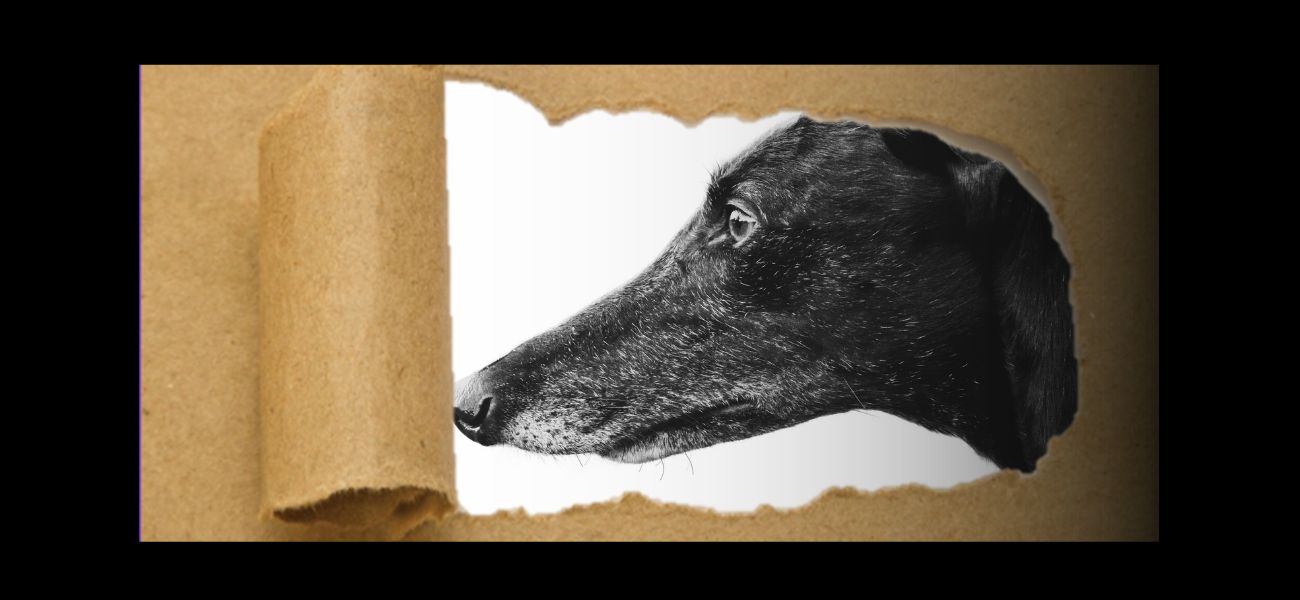
by Warren Young, Coalition for the Protection of Greyhounds
The greyhound racing industry often tries to defend itself by dismissing criticism from people that are “outsiders.” Industry participants claim that you can’t know what’s really going on in greyhound racing unless you work directly within the industry.
While that claim is debatable, there are examples of people who have worked inside the industry, and decided to leave after witnessing the horrors of greyhound racing. These are people who either worked in the industry or observed it first-hand, but could no longer tolerate what they observed. They had no vested interests to speak out against greyhound racing, unlike the participants who defend it and profit from gambling and government money.
Below are direct quotes (indented) from three individuals that have spoken out in publicly available forums.
Dr Alex Brittan was the Chief Veterinary Officer for Greyhound Racing NSW
His previous comments criticising greyhound racing in NSW triggered the Drake Inquiry. On March 23, 2026 he wrote an article in the Tasmanian newspaper, The Examiner.
I entered [the industry] in good faith, hoping reform was possible. Instead, I observed first-hand an industry which, as QC McHugh so adroitly put it, is incapable of meaningful change. From my professional and ethical standpoint, this industry operates at an unacceptable cost to each greyhound. Confined in conditions far below those of most family pets, they receive inadequate socialisation and poor nutrition and are condemned to overwhelming and ever-increasing risks of death and serious injury. Survivors are then dumped as “wastage” onto the community and charities.
No one with a heartbeat and a conscience can ignore the plight of greyhounds confined to concrete kennels, bred in numbers far exceeding rehoming capacity, and too often euthanised when unprofitable. Despite track safety “upgrades”, disturbing injury death rates climb.
Mark Layton was a child who observed his parents and other industry participants training greyhounds over many years.
As an adult, he recently recalled the treatment of dogs that took a personal toll on him. Referring to a very successful racer Sir Stanley,
He didn’t get his retirement. He didn’t get his place in the sun after all that he’d given. He got a needle in the end.
If there was no money in greyhound racing to be made and it was a hobby, how many people do you think would really do it? They have to take money from the gambling industry and they’ve got to take money from the government, otherwise it doesn’t work.
People say they love to run but they’re not born to run on an oval track with eight out of a box. No one will convince me of that, because they’re not. At the end of the day, the dogs still have a terrible life. They still die.
Honi Rawlings is a Veterinary nurse, and her first job at age 19 was in greyhound racing.
Her observations were made over 3 ½ years in the industry. She regularly witnessed euthanasia after racing injuries.
Death is normalised, an accepted part of racing and rearing and breeding dogs. In a litter of 10 puppies, you’re probably going to lose a dog or two out of that litter throughout their racing life. People race greyhounds for money. We love our dogs who win us thousands of dollars so we can continue. Those are the dogs that receive love. It’s a pretty easy decision to euthanise a dog that you have detachment to.