by Warren Young, Coalition for the Protection of Greyhounds
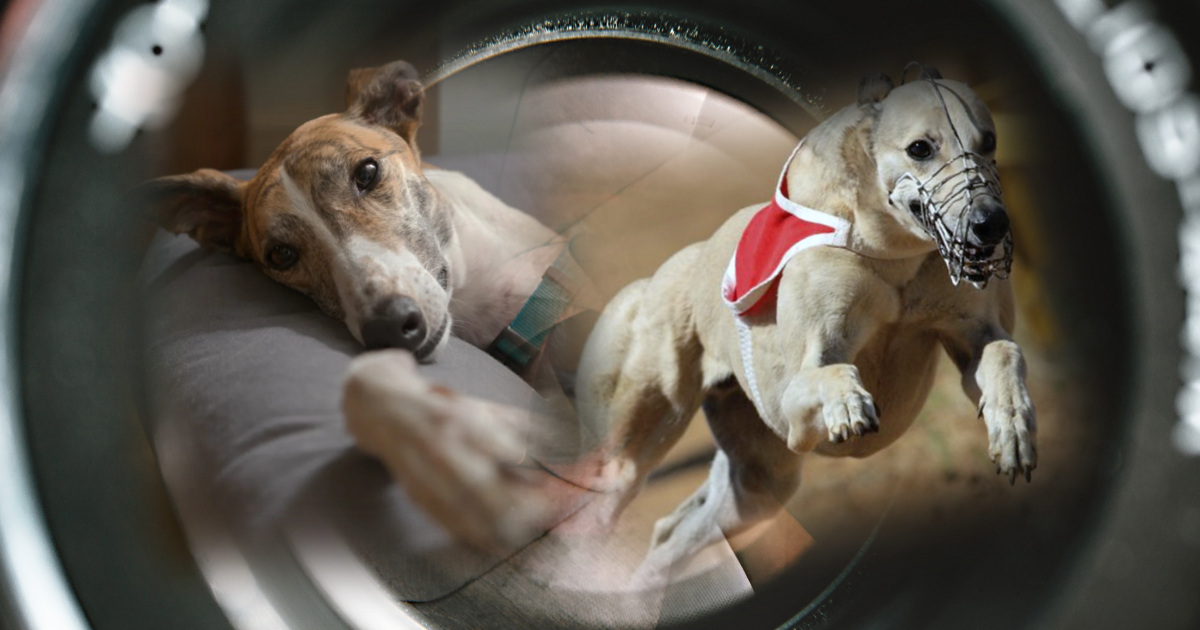
I think people fall into two categories based on the way they see dogs.
The first is through the lens of a family member. More and more Australians are treating their companion dog like another member of the family. Their dog sleeps indoors, sits on a couch to watch TV with the family and goes on family holidays. People recognise that dogs have their own personalities and provide unconditional love to them. Some people even say they prefer the company of their companion dog to other people! In this case, a dog is understood as sentient, with emotions similar to humans. Therefore, people show empathy, and attempt to cater for their dog’s needs just like they would with other family members. If their dog becomes sick, the humans might spend a considerable amount of money to provide Vet care.
There is another lens through which some people view dogs. These people might see dogs as companions, but they are very much inferior to the human family members. The dog must know its place at the bottom of the hierarchy, after all “it’s just a dog”. These dogs should sleep outdoors and eat the cheapest food often of poor quality. As an inferior being, these dogs should not be spoiled, and if they get seriously sick, the decision to let them go is fairly straightforward.
It's clear which lens is used by the racing industry
The greyhound racing industry clearly sees dogs through the second lens. Greyhounds exist to serve the industry participants. They must be trained, and sometimes coerced to satisfy the participants needs. Greyhounds exist to serve humans with entertainment. They must live in outdoor kennels and obey their trainer. If not, they should be punished, sometimes beaten into submission. If they don’t want to get into the starting box on race day, they should be forcibly pushed in, otherwise the trainer would suffer severe embarrassment. If a greyhound doesn’t have the ability to win races, or refuses to cooperate with the trainers demands, or gets seriously injured, it should be discarded. After all it’s only a dog, and there are many more greyhounds that are bred to replace it.
If a racing greyhound survives its “career”, it is placed on a long list of discarded dogs to be rehomed. There are too many dogs for the industry to rehome, so trainers often surrender their unwanted greyhounds to community volunteer rescue groups. Rescuers tend to see greyhounds though the first lens, and can’t comprehend how the dogs they are given could ever be mistreated. Many are found in poor health and suffer from fear and anxiety from their experience.
The changing political lens
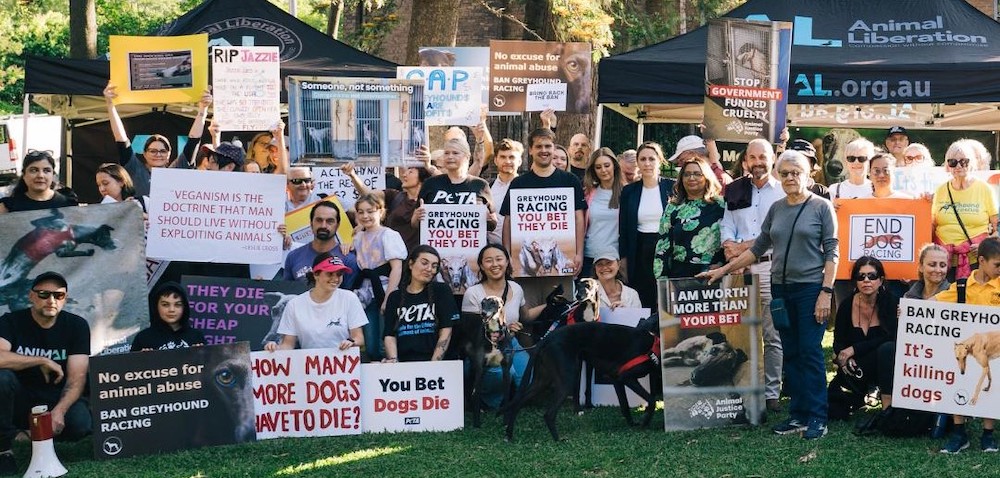
Then there is another category of people, politicians. These people are unique, and can’t be easily classified into one of the two categories discussed. Politicians often have their own companion dog, but this doesn’t mean they care about greyhounds. Their lens relates to how the voting public view them. Until very recently, greyhound racing has never been an election issue, so the way greyhounds are treated or mistreated doesn’t really matter to them.
Their obsession with getting into power or staying in government makes them susceptible to being influenced by those that can help them. Enter the gambling industry. A study of the gambling industry showed that it makes huge donations to the major political parties in Australia in an effort to maintain gambling activities such as greyhound racing. It must be stated that not all politicians are the same. Both the Animal Justice Party and the Greens have clear policies to protect greyhounds and end greyhound racing.
And finally we are starting to see a shift in the attitude of mainstream political parties with cross party support for ending greyhound racing in New Zealand, Wales and now Tasmania. The industry, of course, is fighting back with a “flood of falsehoods” because they can see the writing on the wall.