Greyhound suffering on and off the track
Unlike other states, Queensland has no greyhound welfare Code of Practice.
Additionally, it was only in late 2024 that Racing Queensland and the Queensland Racing Integrity Commission (QRIC) introduced rules around the breeding, rehoming or euthanasia of greyhounds. Prior to this, participants could label greyhounds as “unrehomable” without providing any evidence as to why euthanasia was the only option for young, healthy dogs.
Owners and trainers also sent unwanted greyhounds to university and veterinary practices where they are used for research and training and then killed.
Loopholes in these rules and a lack of enforcement means that the number of Queensland greyhounds euthanased every year remains alarmingly high.
Analysis of the eTrac industry database shows that Queensland continues to kill greyhounds under the excuse of being “unrehomable“. 14 Queensland greyhounds suffered this fate in the first six months of 2025, compared to three in Victoria and one in NSW.
Some of these dogs had been injured in races or penalised for marring (turning their head) or failing to pursue.
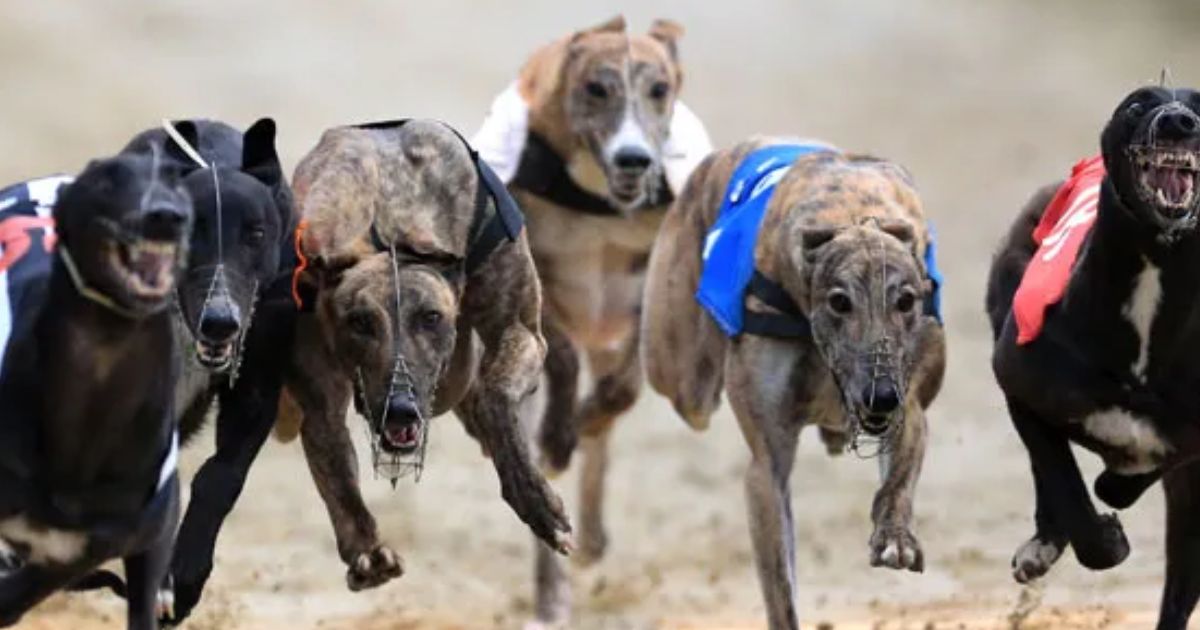
Queensland tracks have some of the highest death and injury rates in Australia.
In 2024, 20 dogs died racing on tracks, while more than 40 were put down because of the injuries they suffered; most suffered leg fractures that would have been treatable. 1,865 greyhounds were injured in 2024, with Ipswich and Albion Park tracks recording the highest number of injuries in Australia.
Queensland continues to lead the country in racing deaths and injuries, the latest information is available in our 2025 death and injury tracking.
The Q: an $86m deathtrap for greyhounds
The Q is a three-track complex near Ipswich that cost $86m, with $44.1m coming from taxpayers. This makes it the most expensive greyhound venue in the world. At least 17 greyhounds have died due to their injuries since racing began in March 2025. It’s a disaster for the greyhounds and a disaster for taxpayers.
Construction of The Q went ahead despite widespread community opposition to the track including a petition which gathered 73,000 signatures.
The abandonment of the Brisbane Cup in July 2025 – Queensland’s biggest greyhound race – set off a media storm highlighting the many failures at The Q, the new $86m greyhound racing complex.
According to Queensland Racing Minister Tim Mander, “constructed with animal welfare at its core, The Q will be the envy of greyhound racing jurisdictions across Australia and the world”.
Read more here and if you live in Queensland you can use our template to send an email to your MP calling for an end to greyhound racing at The Q.
Overbreeding and the rehoming crisis
The greyhound racing industry is facing its biggest crisis since the live baiting and mass killing of young greyhounds was exposed in 2016. At that time the industry was killing around 17,000 greyhounds a year across Australia. Public outrage and improved industry regulation led to a substantial reduction in the number of deaths and a reduction in overbreeding.
However, there are still far more greyhounds bred than there are homes for them outside the racing industry.
The Queensland racing industry bred 1091 greyhounds in FY24 despite it leading the country in the number of unwanted greyhounds it killed that year. The industry and state government have consistently refused to cap breeding numbers so that the number of greyhounds bred can reasonably be rehomed.
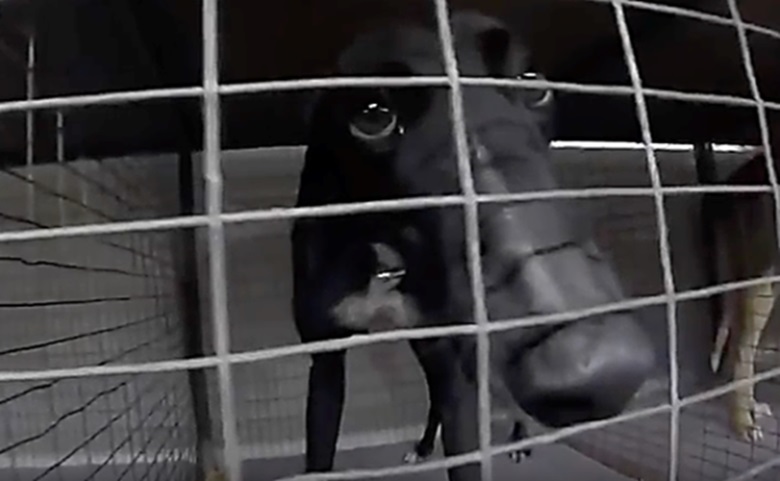
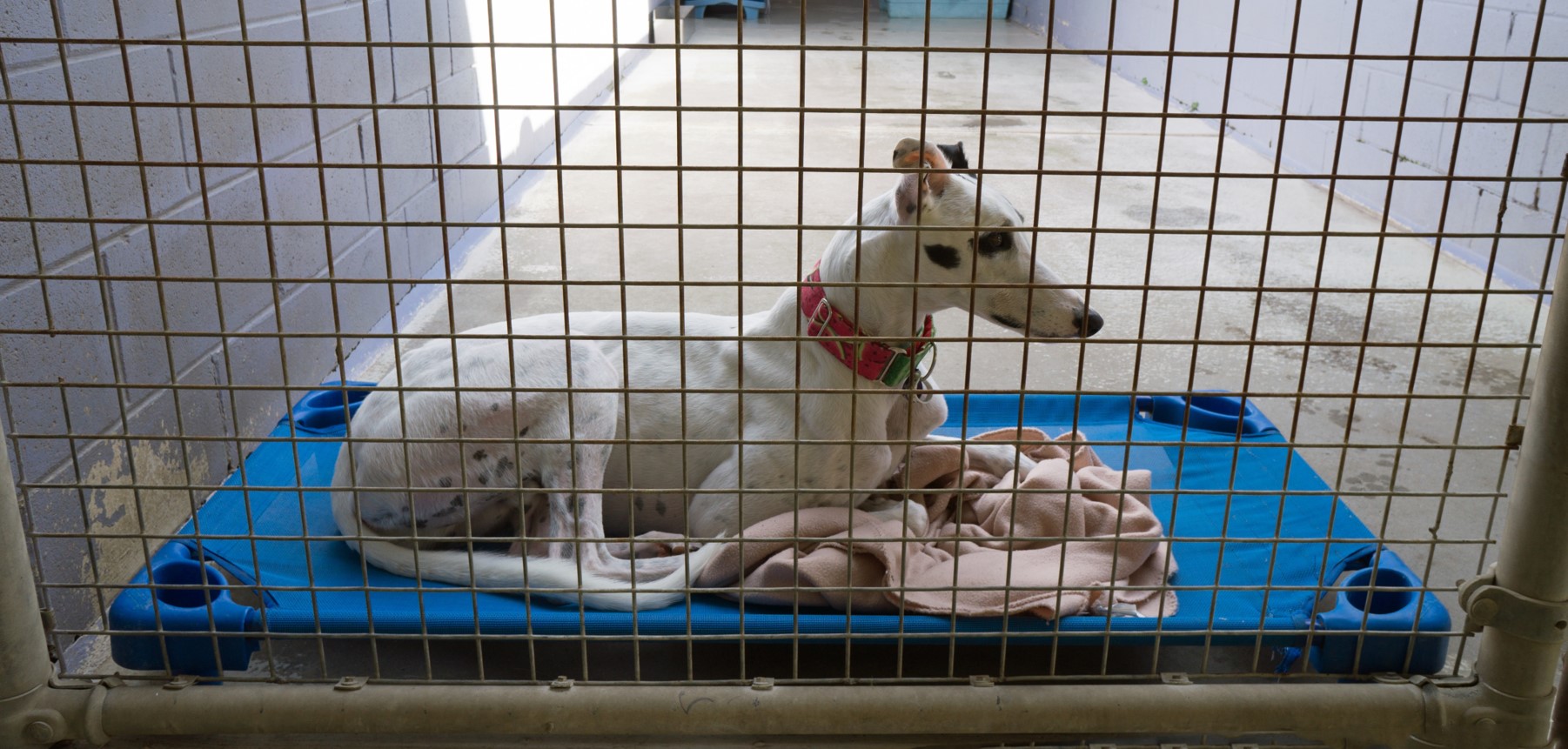
Overbreeding has also led to a surplus of greyhounds that remain trapped in the Queensland racing industry in poor living conditions with minimal exercise or social interaction.
According to NSW, more than a quarter of greyhound puppies are not utilised and are called “initial wastage” by the industry. There is no public record of their fate.
To address the issue of overbreeding, the Queensland Government and the racing industry must:
- implement an enforceable cap on the number of greyhounds bred each year
- publish the overall Racing Queensland greyhound utilisation and individual rates for owners and breeders.
What happened to the greyhounds that Racing Queensland rejected? 
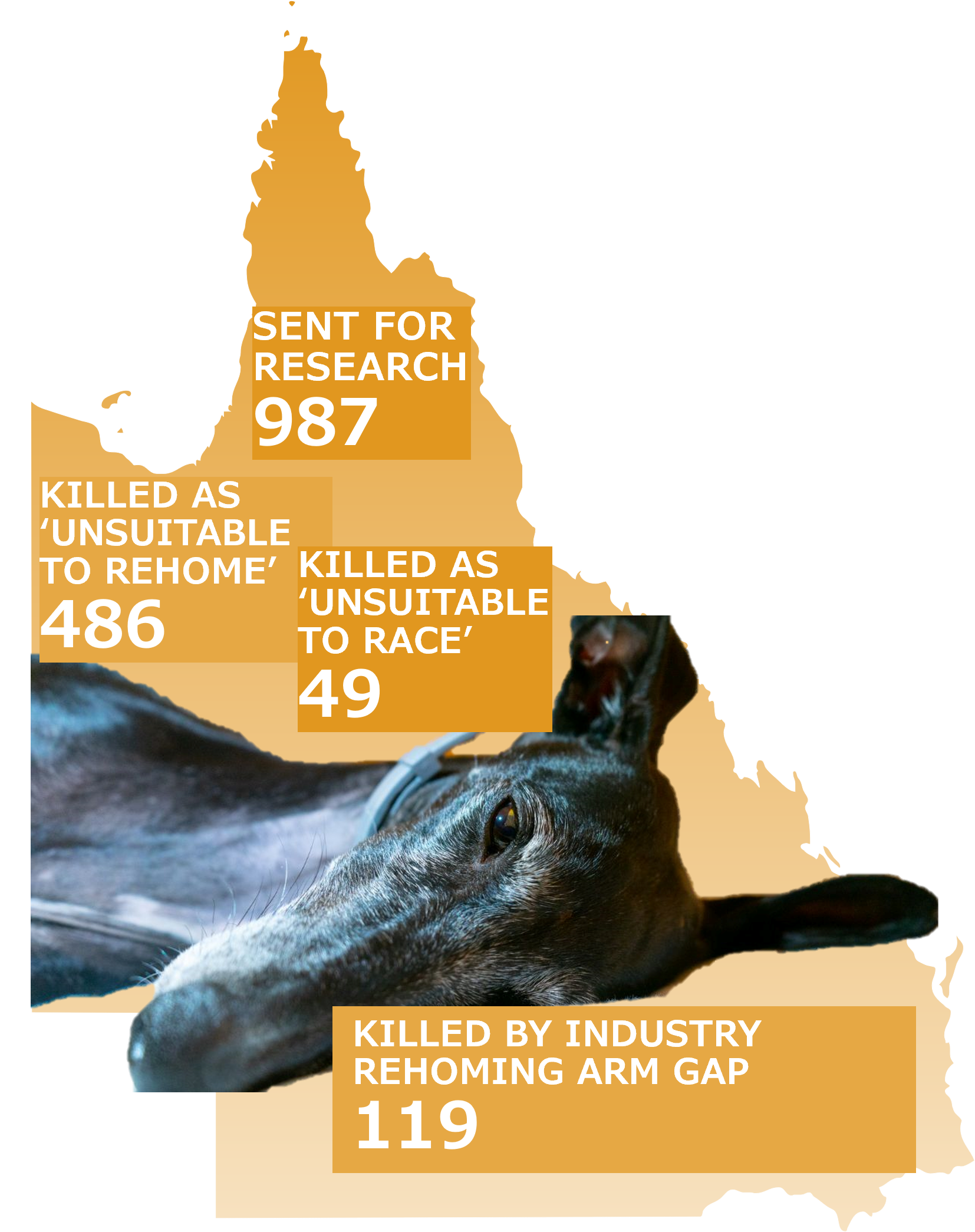
Source: QRIC Greyhound breeding, race injury and retirement quarterly reports, FY19-FY23
UPDATE: The University of Queensland (UQ) has concluded their research ethics investigation into their partnership with Racing Queensland. However they have not made the results public. In the interim, the Queensland racing industry confirmed they will no longer send unwanted greyhounds to UQ as they had not demonstrated their primary function is the rehoming of dogs. Thank you to everyone who contacted the University and the racing industry to protest against this cruel and unethical treatment.
University of Queensland, June 2024
How many hundreds of greyhounds did UQ kill?
Over the past five years, almost a 1,000 Queensland greyhounds have disappeared into research labs and universities. CPG discovered that most of them have been sent to the University of Queensland (UQ) and most have been destroyed.
UQ confirmed in June 2024 that they had been accepting dogs from Racing Queensland for five years. At that time they were killing, on average, two greyhounds a week.
UQ stated that, “the animals were employed for veterinary teaching and research, with the aim of behavioural assessment and rehoming, if suitable through UQ’s Pets for Life adoption program”. They went on to say that “many racing greyhounds do not pass the suitability assessment, which is conducted by qualified behaviourists who work with the animals over several weeks”.
This highlighted that UQ had killed hundreds of gentle, vulnerable dogs within weeks of their arrival due to inadequate and unethical rehoming assessment and adoption practices. You can find more information in our submission to UQ here which shows that UQ Pets for Life euthanasia rate is higher than any other Queensland rehoming agency including the industry rehomer.
After more pressure from CPG and the animal welfare community, UQ agreed to carry out a research ethics investigation into their partnership with Racing Queensland. UQ also confirmed they had paused taking unwanted greyhounds until the investigation was complete.
In the interim, the Queensland Racing Integrity Commission (QRIC) confirmed that under the new Racing Rules they would no longer send greyhounds to UQ as “that facility was not able to demonstrate that their primary function was the rehoming of dogs.”:
While the University has concluded their investigation, they have not made the results public. However, their Pets for Life adoption site now states: “Please note: The University of Queensland Pets for Life adoption program is no longer accepting racing and retired greyhounds.”
“The very least ex-racing greyhounds deserve is adoption to a loving family home, not to be used in medical or veterinary procedures. There must be transparency as to the fate of all greyhounds.”
Rachel Smith, CEO, Animal-Free Science Advocacy
Enabling an enormous social problem
In December 2024, the newly created “Queensland Greyhound Racing Club” voted to allow installation of poker machines at “The Q” greyhound racing complex. Without this it is unlikely the complex would have gone ahead as it would not have been financially viable. This means The Q will exploit the most vulnerable in the community as well as sacrificing more greyhounds to the gambling industry.
Greyhound racing is a gambling industry. As well as exploiting and killing dogs it costs the Australian community an enormous amount both socially and financially.
As the recent Government report “You win some, you lose more” highlighted, unlike sport, dog and horse racing only exists so people can gamble. Australians experience the biggest gambling losses in the world at around $32bn per year. The cost of gambling addiction was estimated at $18bn in 2022. The report also noted that 5% of 16-17 year-olds report betting on sports and horse and dog racing.
The racing industry markets greyhound racing as “family friendly entertainment”. This is a cynical and dangerous ploy to normalise gambling and encourage the next generation of problem gamblers.
Children as young as 14 are allowed to “handle” dogs at Queensland racing tracks despite being exposed to violent injury and death. Handling occurs in the catching pen where greyhounds often collide with other dogs and suffer catastrophic injuries such as fractured skulls.
The ethics and effectiveness of animal testing
There is growing evidence that dogs, and other animals are poorly representative of human biology and diseases.
Cardiologist Dr John Pippin, Director of Academic Affairs, Physicians Committee for Responsible Medicine in the US has said:“As a cardiologist who performed similar research using dogs early in my career, I learned two truths that were game-changing for me. First, the dogs used in such research do indeed suffer and of course are killed. That cannot be spun into “humane treatment.”
“Second, the differences in canine and human cardiac anatomy, physiology, and genetic determinants are immutable, making any translation of results to humans speculative. For ethical and scientific reasons, the use of dogs or any other animals for research into human diseases and treatments must end.”
former director of the National Institutes of Health (NIH) Chemical Genomics Center
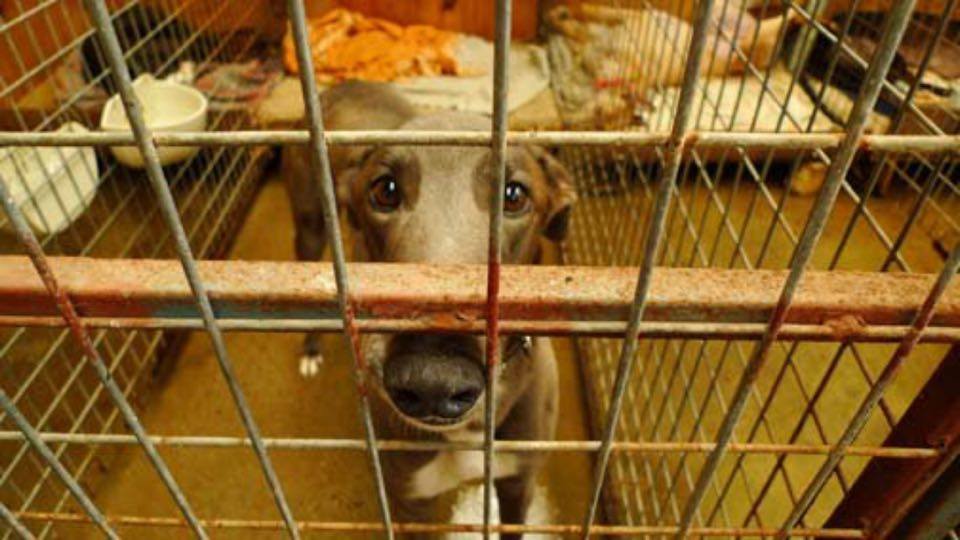
These chilling accounts of nearly 800 greyhounds sent to labs and universities, with no tracking of what has happened to them, shows just how far behind Queensland is when it comes to animal welfare. And not only this, but Queensland Labor are continuing to pump money into the greyhound racing industry, with $40 million injected into building a new racing track at Ipswich, rushed through under a Ministerial Infrastructure Designation. Minister Grace, when are you going to shut down this violent sport?”
Amy MacMahon, Greens MP for South Brisbane, 2020-2024